
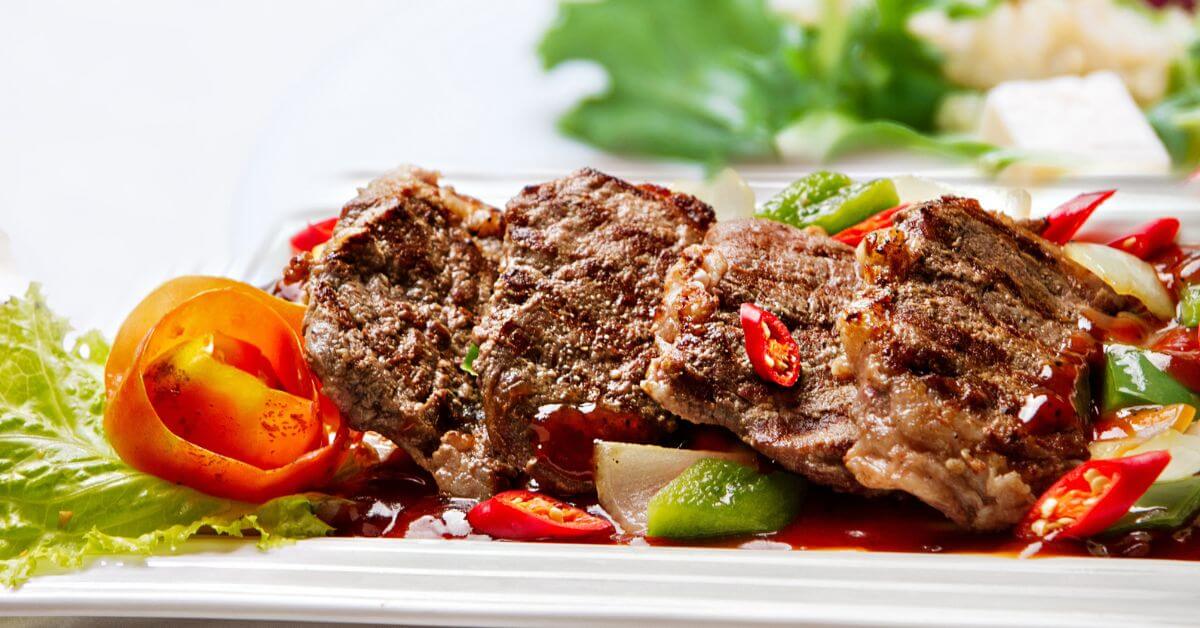
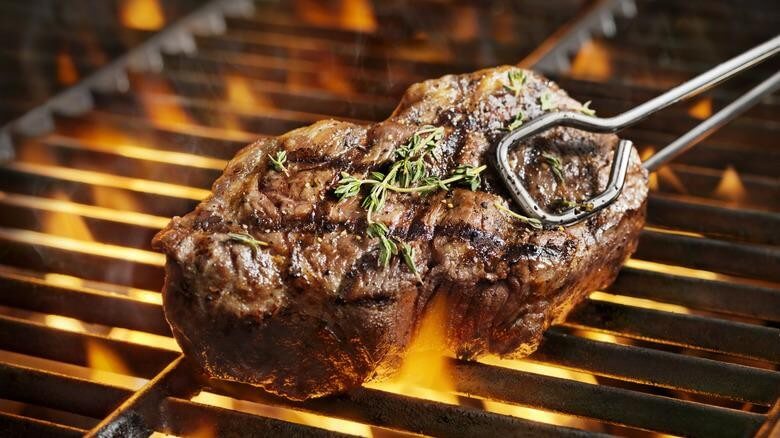
There’s just something about summer grilling season that brings everyone together—backyard laughter, smoky flavors, and that unmistakable sizzle of beef hitting a hot grill.
But if you’ve ever stood at the meat counter wondering “Which cut should I choose?”—you’re not alone.
Understanding the different cuts of beef doesn’t just make you feel more confident in the kitchen—it helps you cook better meals, save money, and get the most flavor out of every bite.
Today, we’re breaking it all down in a simple, approachable way—so you can head into grilling season feeling like a pro.
This post may contain affiliate links. If you click and make a purchase, I may receive a small commission, at no extra cost to you. Thank you for supporting Our Hungry Home!
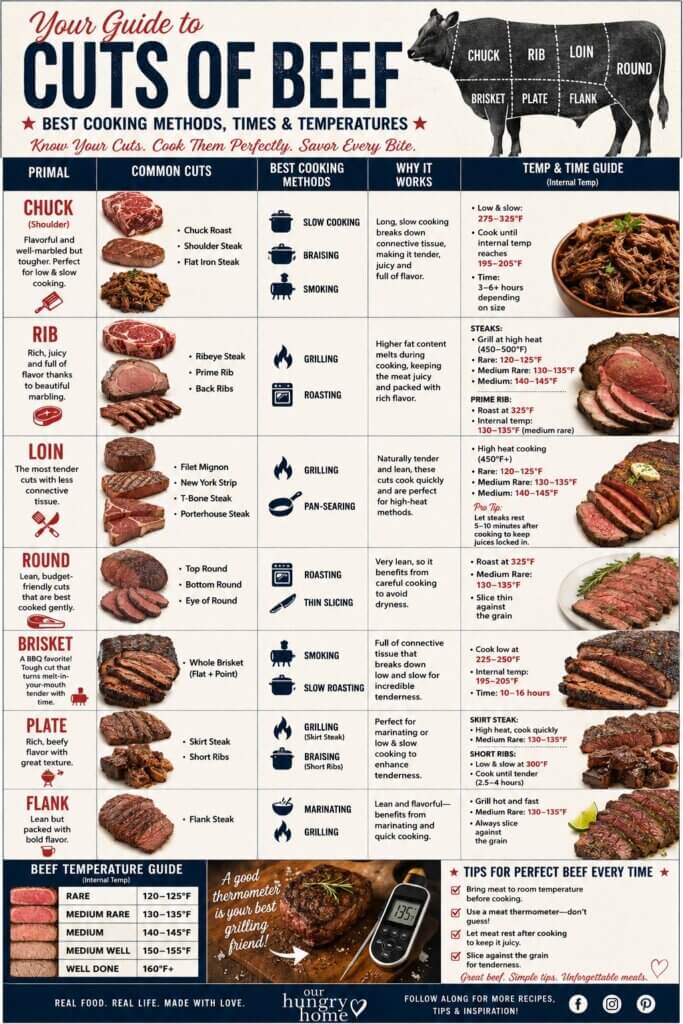
Download this FREE Printable Guide!
Understanding Beef Cuts (The Basics)
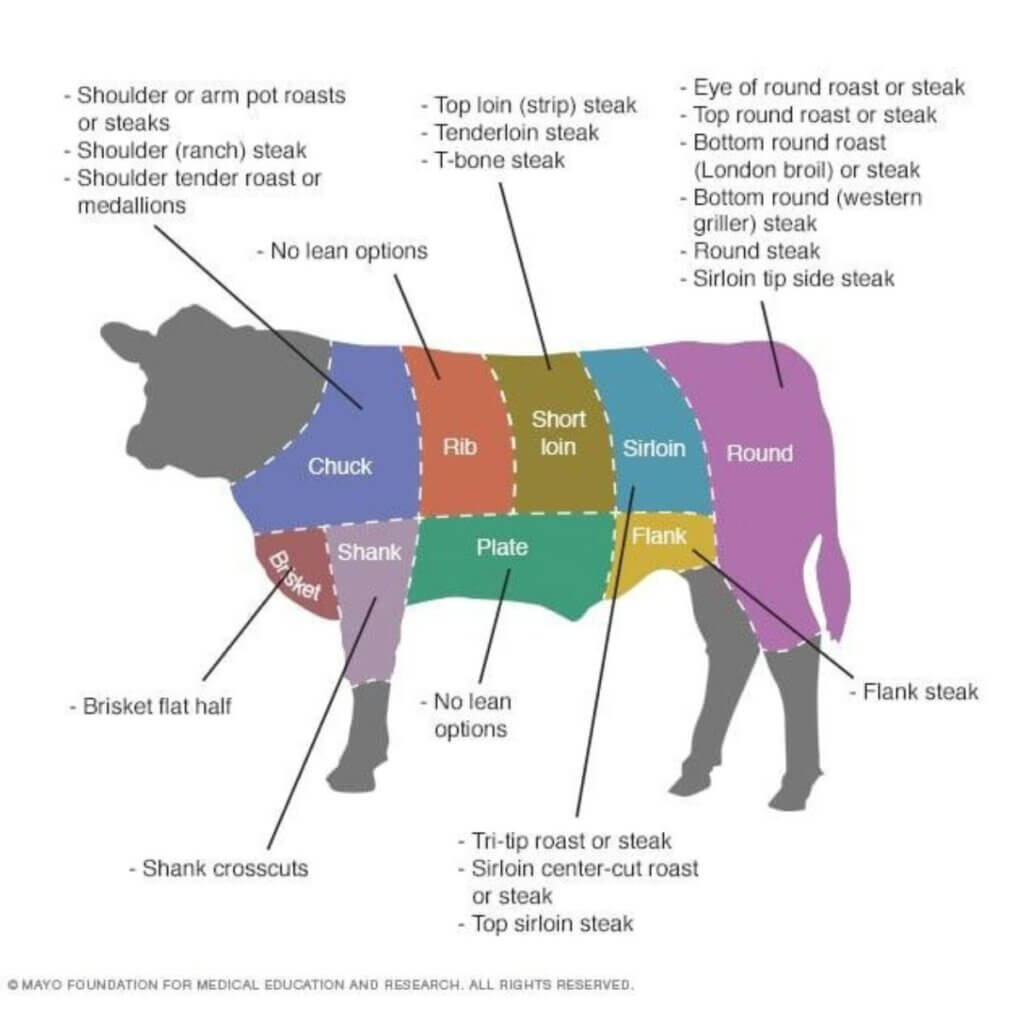
Beef is divided into primal cuts, which are large sections of the cow. From there, those are broken down into the cuts you see at the grocery store.
The main sections include:
- Chuck (shoulder)
- Rib
- Loin
- Round
- Brisket
- Plate
- Flank
Each section has a different level of tenderness, fat content, and best cooking method.
Rule of thumb:
- Tender cuts → cook hot & fast
- Tough cuts → cook low & slow
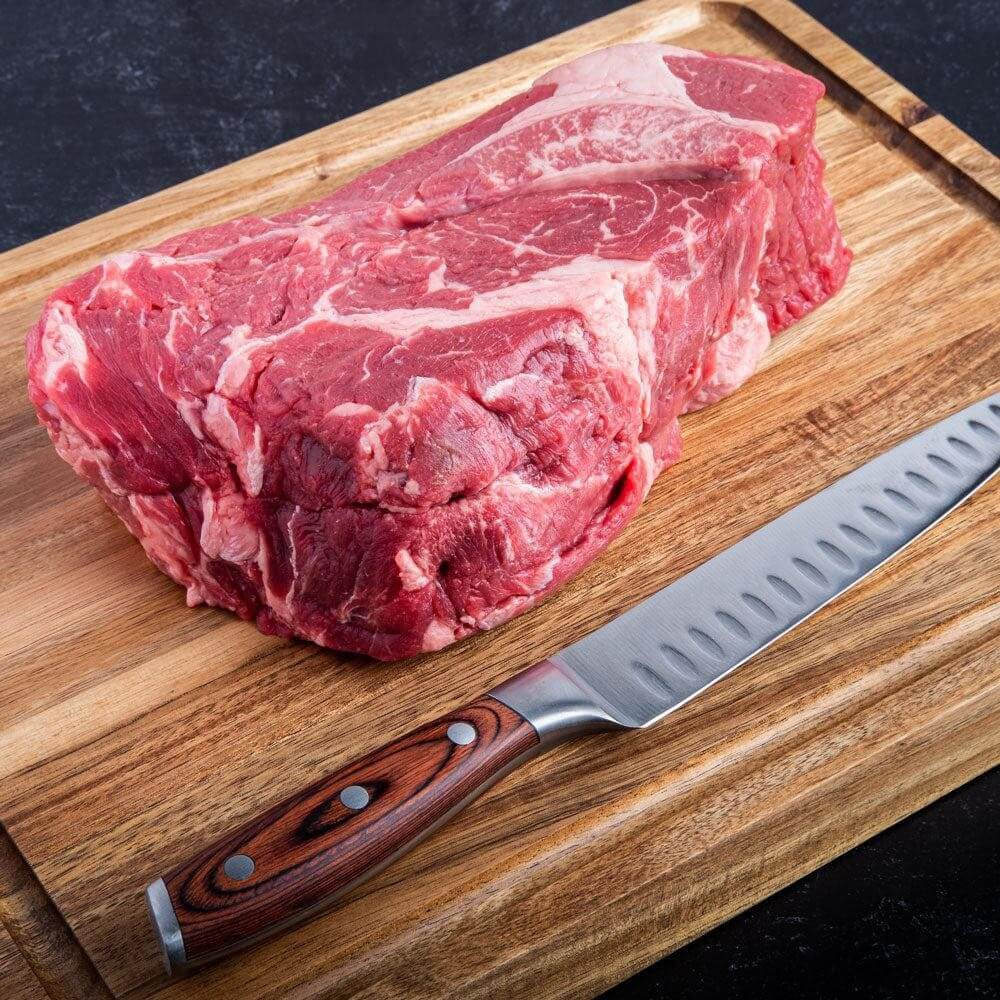
Chuck (Shoulder Cuts)
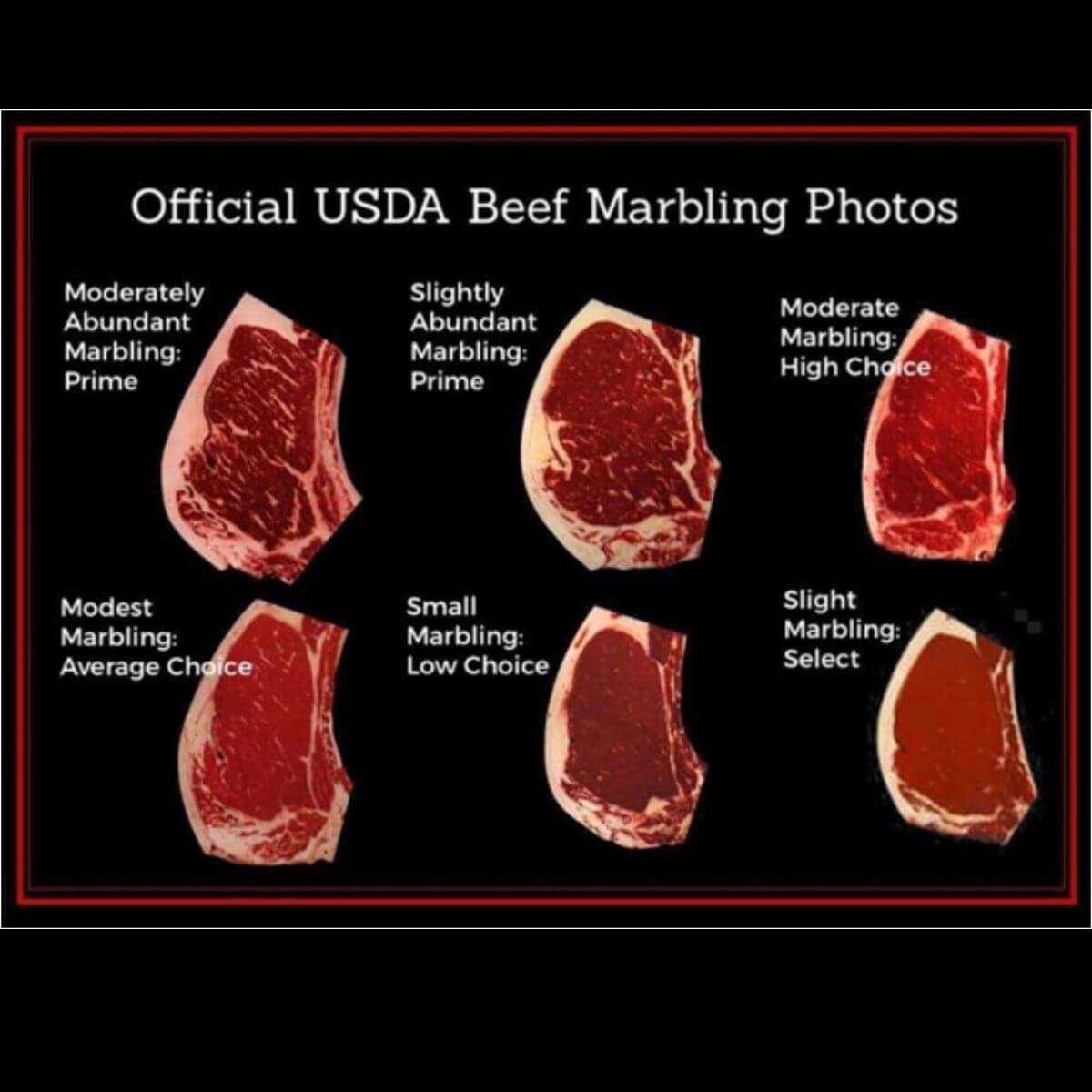
Common Cuts:
- Chuck roast
- Shoulder steak
- Flat iron steak
Best Cooking Methods:
- Slow cooking
- Braising
- Smoking
Why it works:
Chuck is well-marbled but tough, which makes it perfect for long cooking times that break down connective tissue.
Temps & Timing:
- Low & slow: 275–325°F
- Cook until internal temp reaches 195–205°F for shredding (A great meat thermometer helps you nail the perfect cook every time).
- Time: 3–6+ hours depending on size
Rib (Flavorful & Tender)
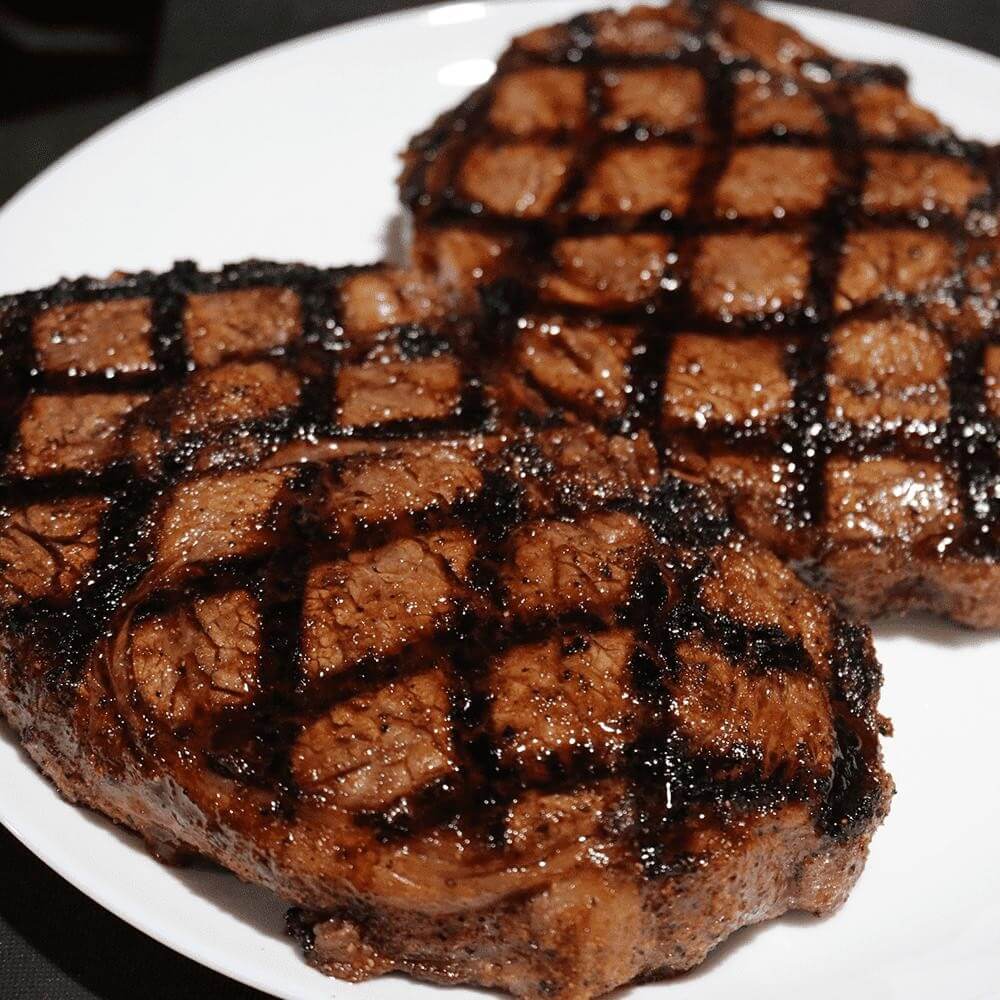
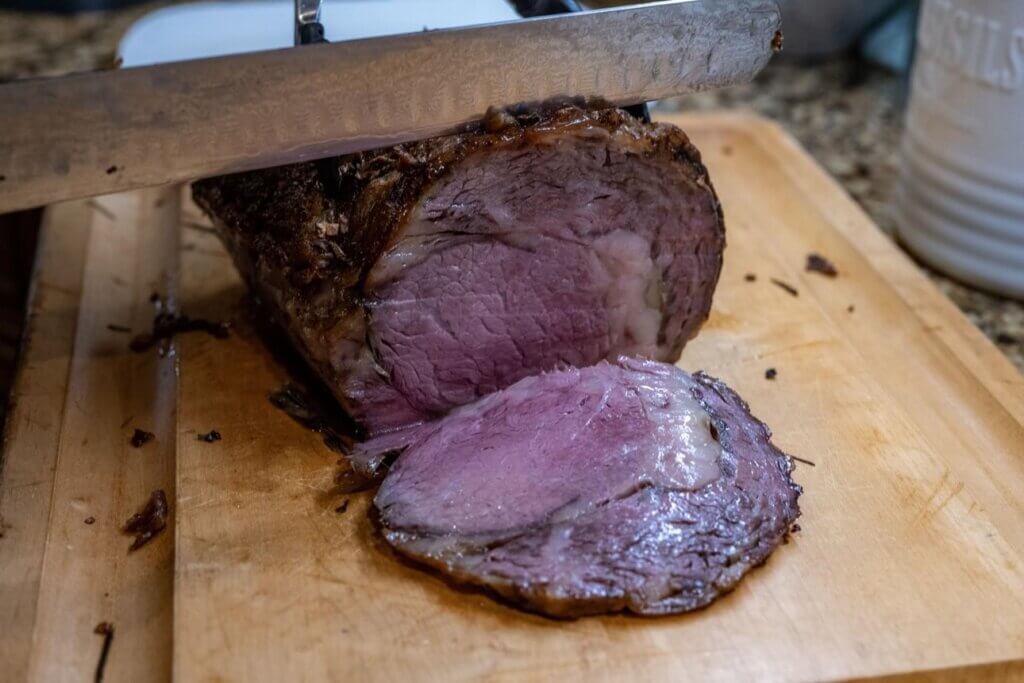
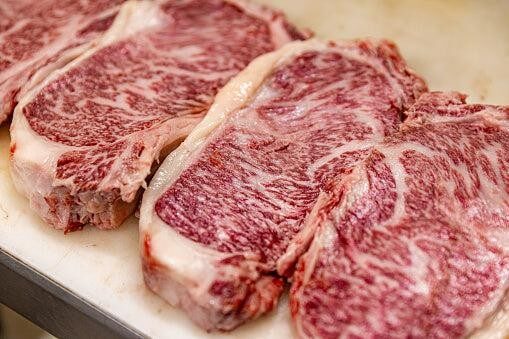
Common Cuts:
- Ribeye steak
- Prime rib
- Back ribs
Best Cooking Methods:
- Grilling
- Roasting
Why it works:
Rich marbling makes rib cuts incredibly juicy and flavorful.
Temps & Timing (Steaks):
- Grill at high heat (450–500°F)
- Rare: 120–125°F
- Medium rare: 130–135°F
- Medium: 140–145°F
Prime Rib:
- Roast at 325°F
- Internal temp: 130–135°F (medium rare)
Loin (The Most Tender Cuts)
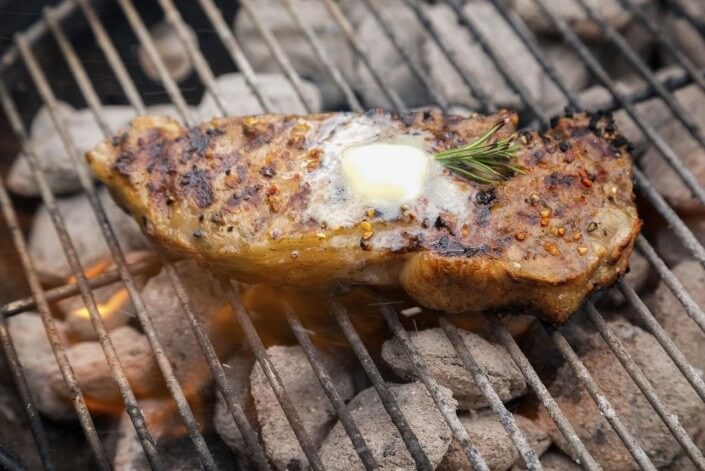
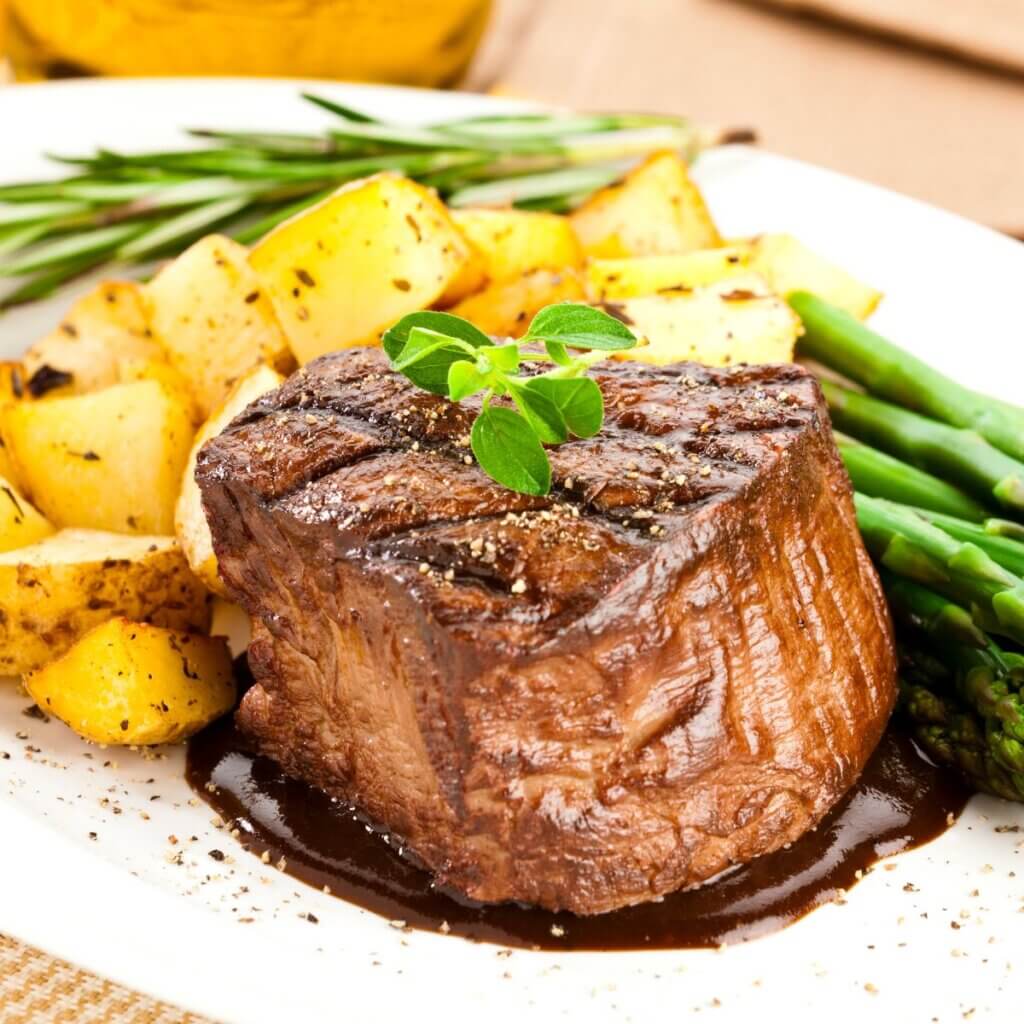
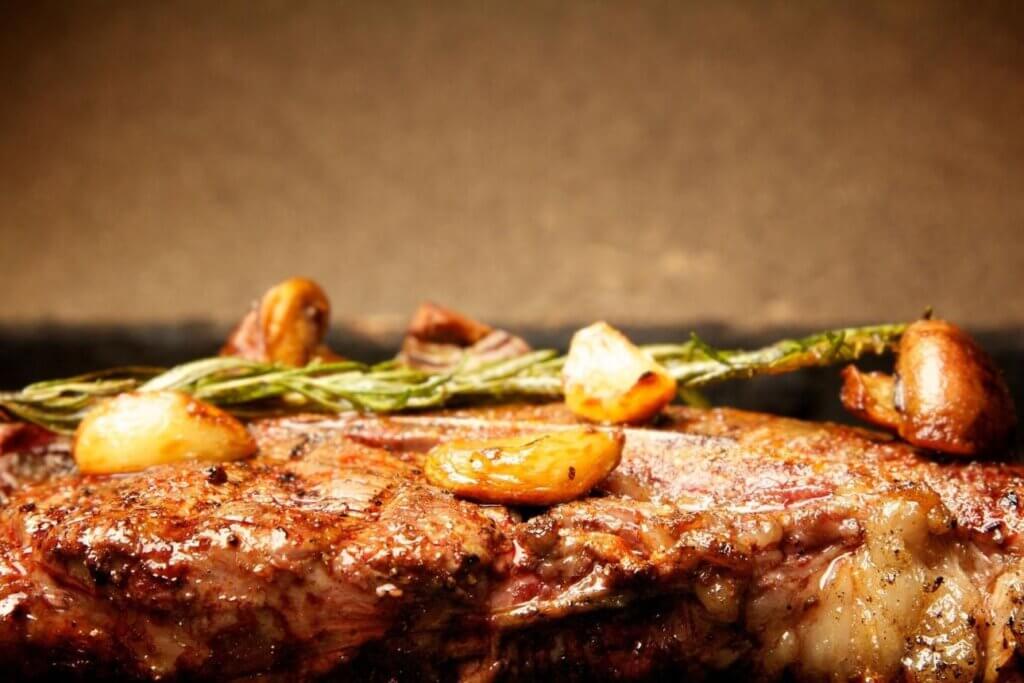
Common Cuts:
- Filet mignon
- New York strip
- T-bone
- Porterhouse
Best Cooking Methods:
- Grilling
- Pan-searing (I LOVE the “assist handle” on the side… these skillets are heavy!)
Why it works:
These cuts are naturally tender with less connective tissue.
Temps & Timing:
- High heat cooking (450°F+)
- Rare: 120–125°F
- Medium rare: 130–135°F
- Medium: 140–145°F
Tip:
Let steaks rest 5–10 minutes after cooking to keep juices locked in.
Round (Lean & Budget-Friendly)
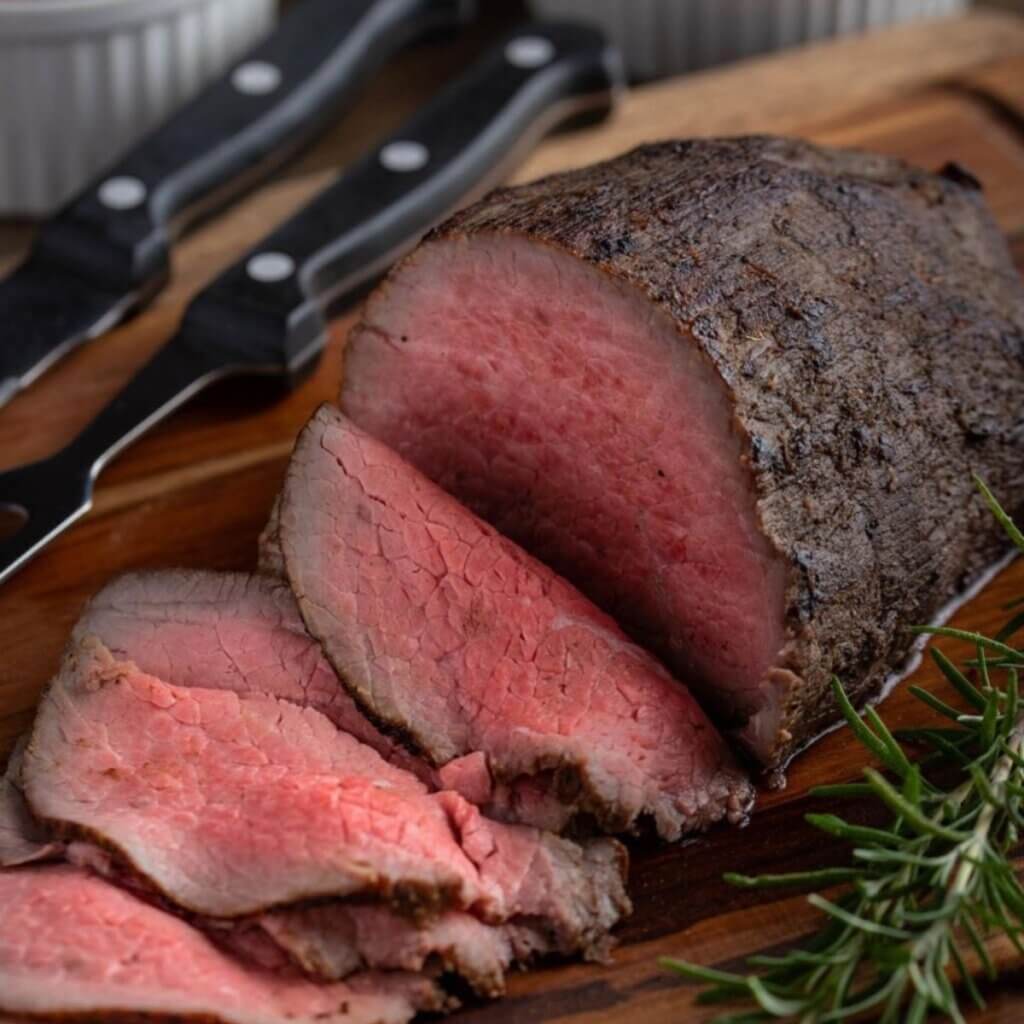
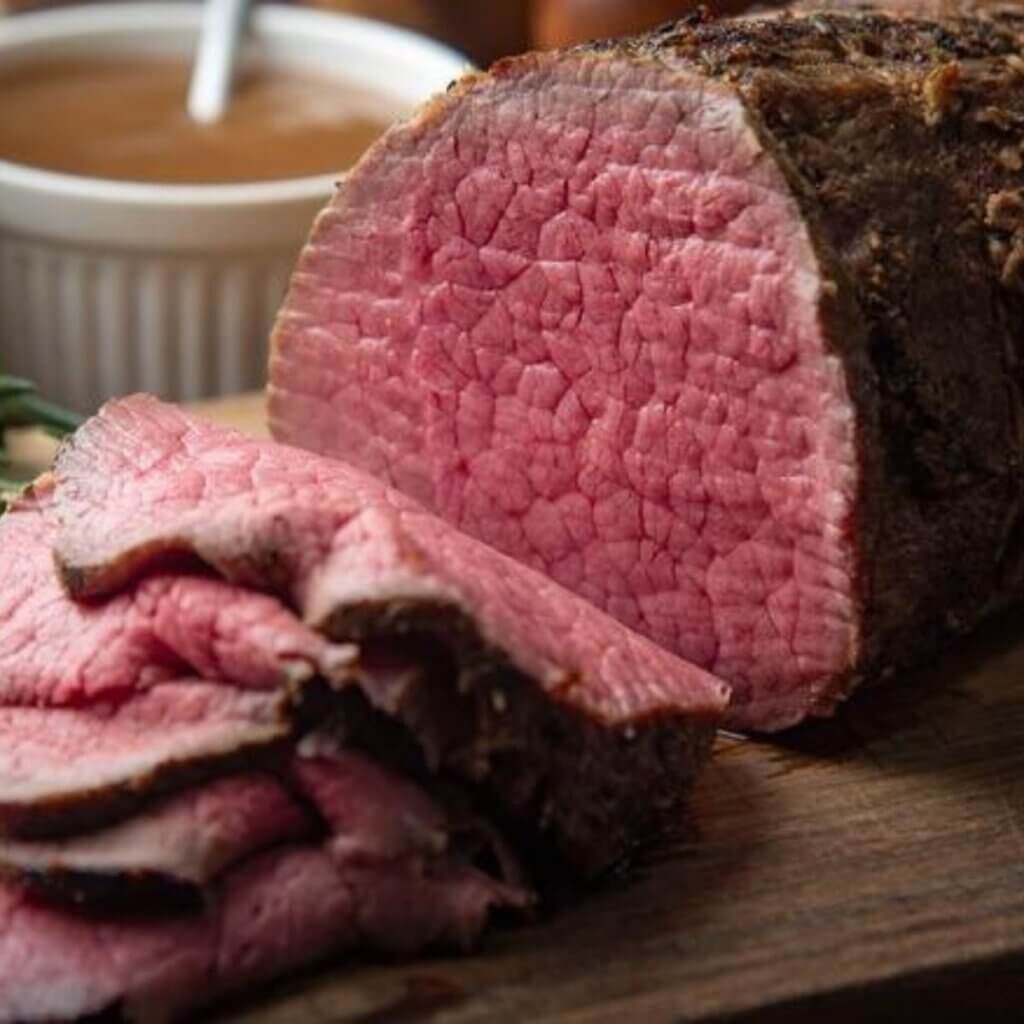
Common Cuts:
- Top round
- Bottom round
- Eye of round
Best Cooking Methods:
Why it works:
Very lean, so it benefits from careful cooking to avoid dryness.
Temps & Timing:
- Roast at 325°F
- Medium rare: 130–135°F
- Slice thin against the grain
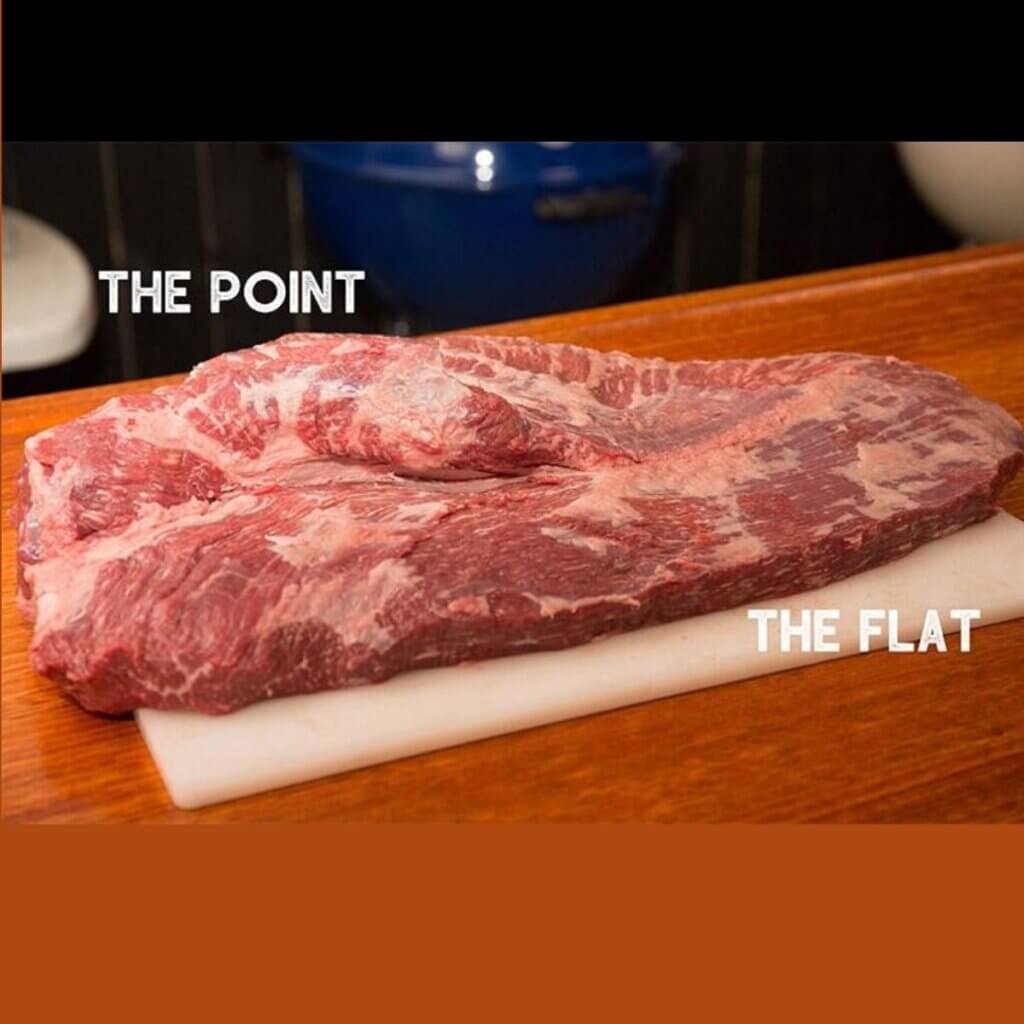
Brisket (BBQ Favorite)
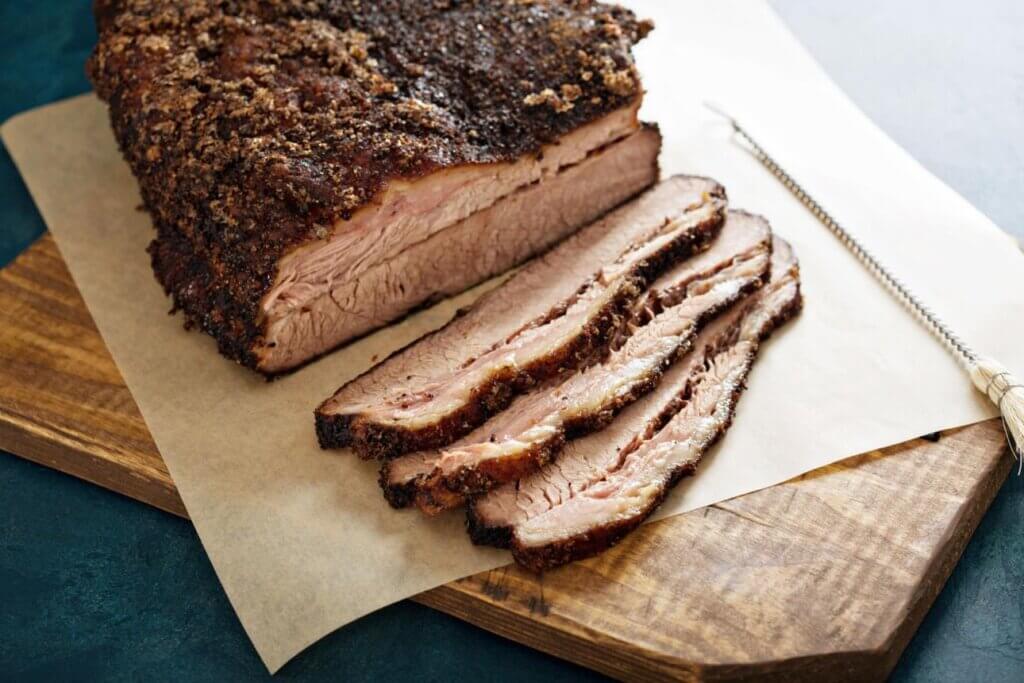
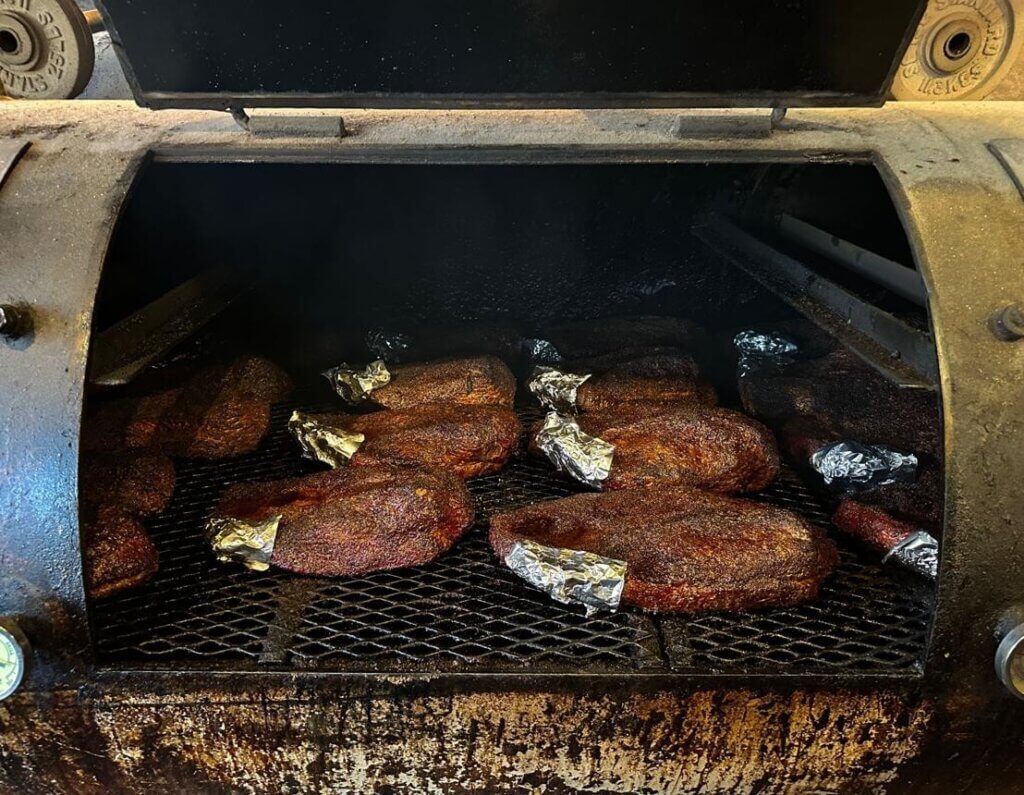
Common Cuts:
- Whole brisket (flat + point)
Best Cooking Methods:
- Smoking
- Slow roasting
Why it works:
Full of connective tissue that transforms into melt-in-your-mouth goodness over time.
Temps & Timing:
- Cook low at 225–250°F
- Internal temp: 195–205°F
- Time: 10–16 hours
Plate (Rich & Juicy)
Common Cuts:
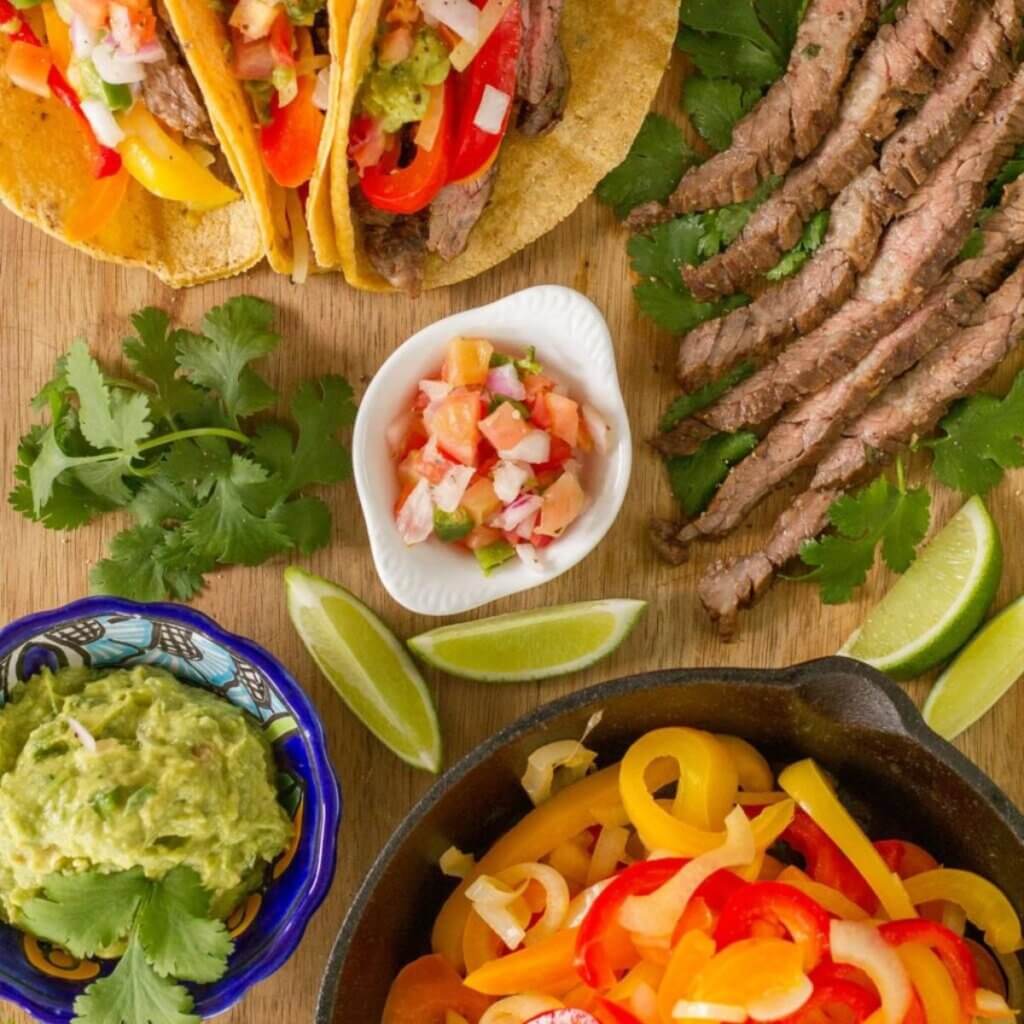
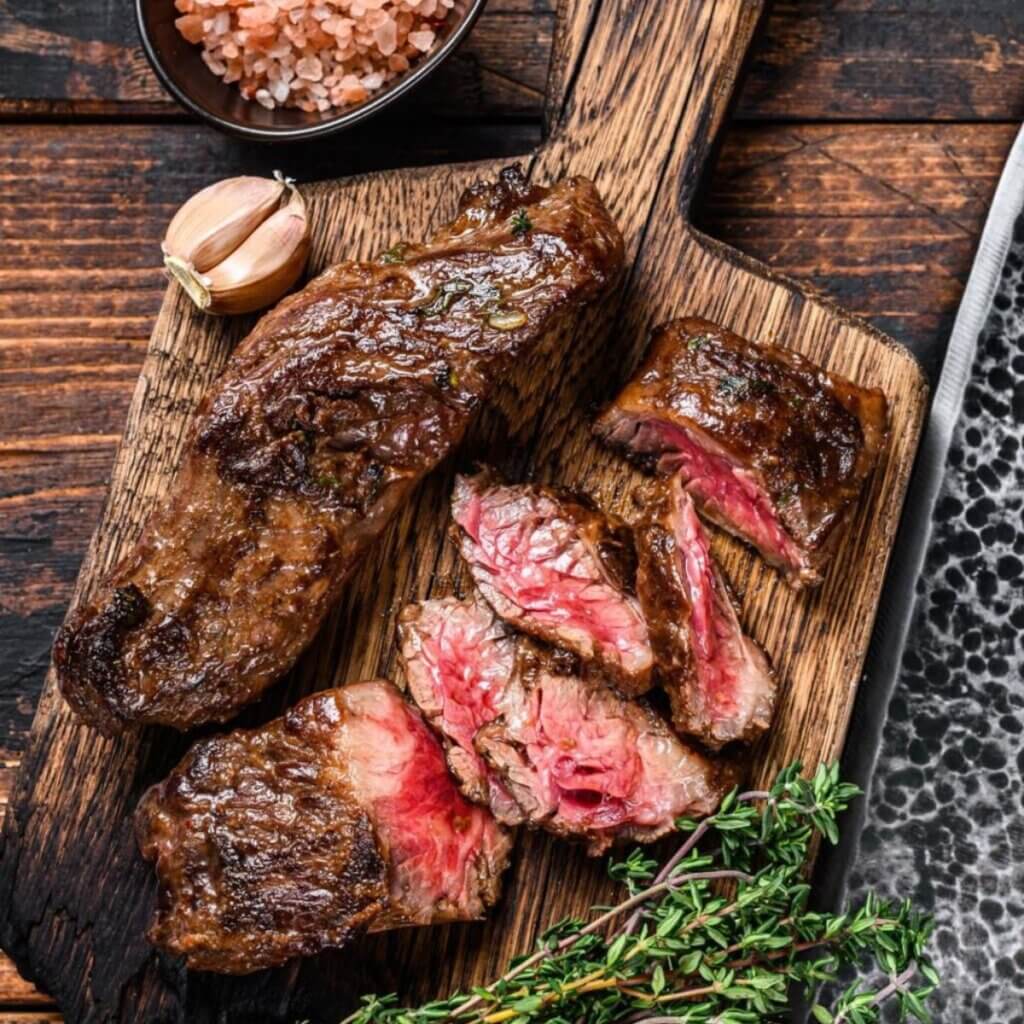
- Skirt steak
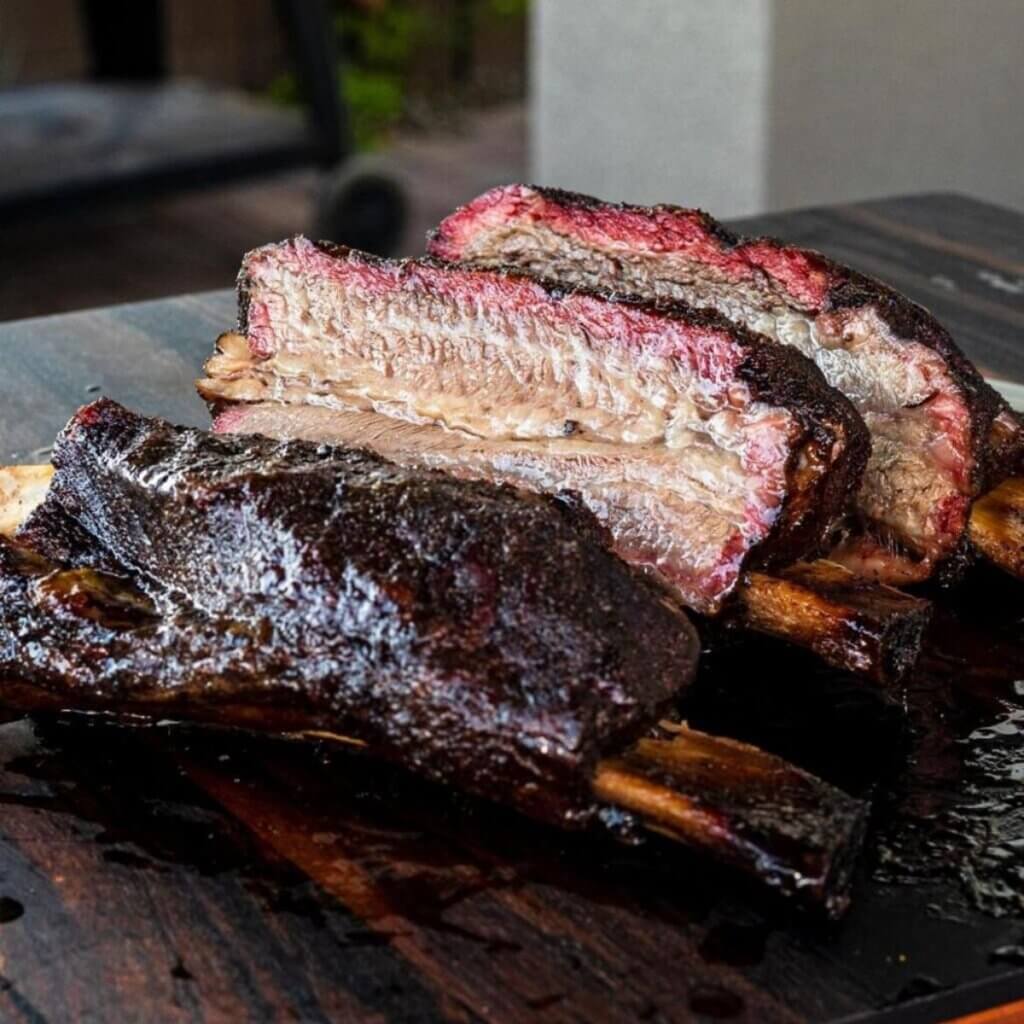
- Short ribs
Best Cooking Methods:
- Grilling (skirt steak)
- Braising (short ribs)
Temps & Timing:
- Skirt steak: high heat, cook quickly
- Medium rare: 130–135°F
- Short ribs:
- Low & slow at 300°F
- Cook until tender (2.5–4 hours)
Flank (Lean & Flavorful)
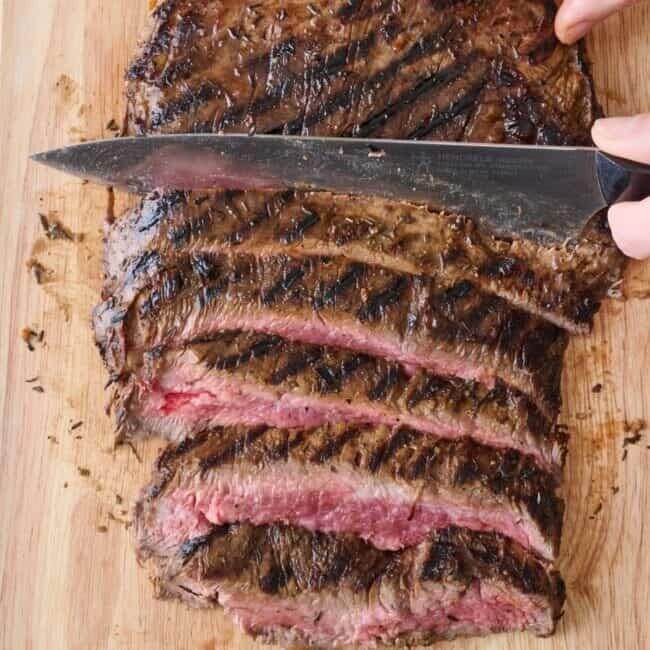
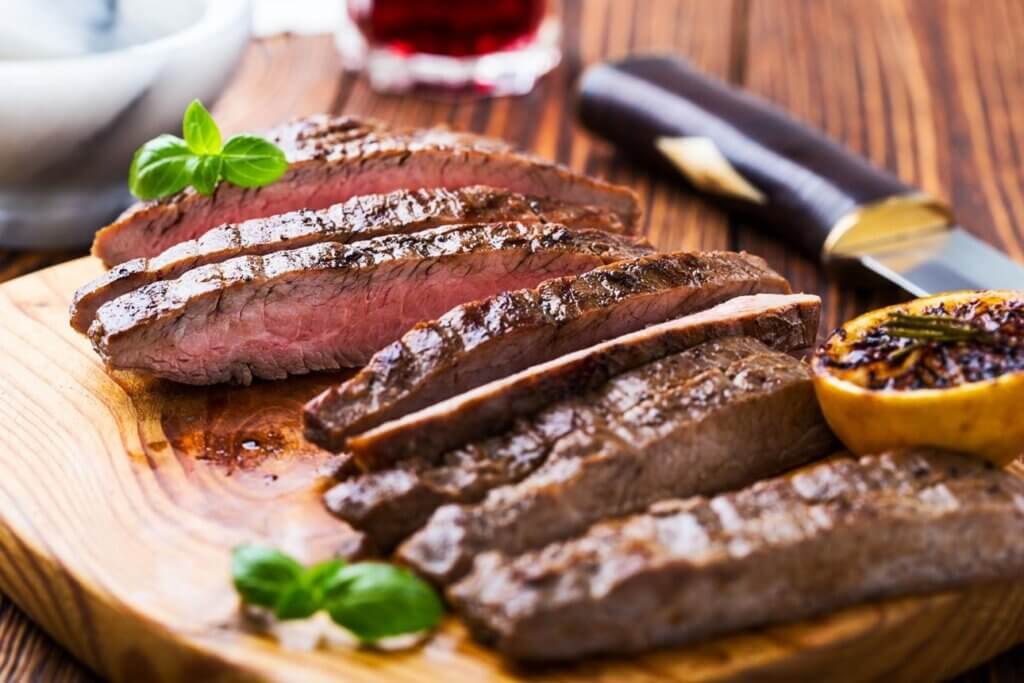
Common Cuts:
- Flank steak
Best Cooking Methods:
- Marinating
- Grilling
Why it works:
Lean but packed with flavor—just don’t overcook it!
Temps & Timing:
- Grill hot and fast
- Medium rare: 130–135°F
- Always slice against the grain
Quick Beef Temperature Guide
For quick reference when grilling:
- Rare: 120–125°F
- Medium Rare: 130–135°F
- Medium: 140–145°F
- Medium Well: 150–155°F
- Well Done: 160°F+
Must-Have BBQ Tools
Before we get cooking, here are your cooking essentials that will help make your next Cook-out easier, more organized and less stressful!
- Grill: Weber Original Charcoal Grill
- Meat Thermometer: ThermoPro Digital Instant Read Thermometer
- Grill Tool Set: 13-Piece Grill Tool Set with Wooden Handles
- Cooler: YETI Tundra Cooler
- Cast Iron Skillet: Lodge Pre-Seasoned Cast Iron Skillet
- Grill Basket: Set of 3 Deluxe Grilling Basket
- Basting Brush: Stainless Steel Heat-Resistant Brush
Bringing It All Together
When you understand beef cuts, everything gets easier—from grocery shopping to grilling with confidence.
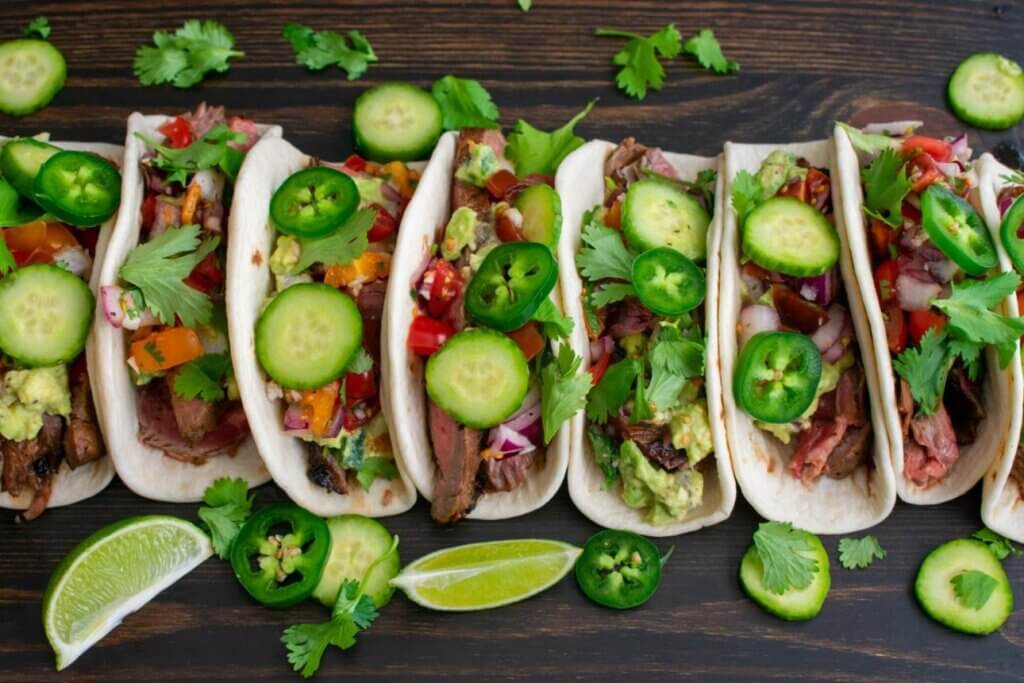
Whether you’re throwing ribeyes on the grill for Memorial Day, slow-smoking brisket for a backyard gathering, or making simple steak tacos on a weeknight, choosing the right cut makes all the difference.
And the best part? You don’t have to be a pitmaster to get it right—just a little knowledge, a good thermometer, and a love for good food.
Looking for more grilling or cooking inspiration?
This post pairs perfectly with these related posts:
Everyday Spices Guide w/Printable Chart
Meat Doneness w/Printable Chart
Flavor Pairings w/Printable Chart
Fresh Herbs 101 w/Printable Chart
Potatoes 101 Guide w/Printable Chart
Spring & Summer Produce Series w/Printable Chart
Combine any or all of these to create endless easy meal ideas for your family and friends.