
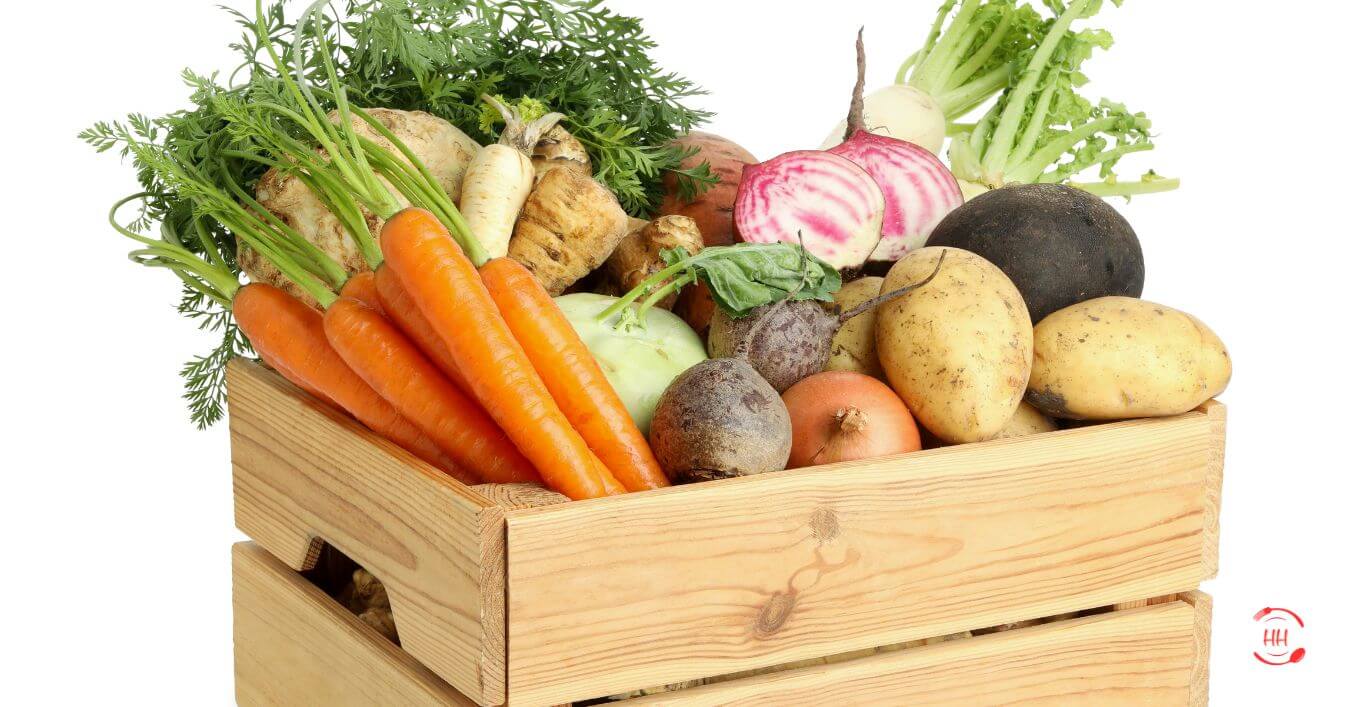
When the temperatures drop and the days feel shorter, winter produce brings its own kind of comfort. Root vegetables, hearty greens, and bright citrus shine during the coldest months of the year — and they’re at their peak flavor, freshness, and affordability. Whether you’re planning seasonal meals, trying to stretch your grocery budget, or looking for recipe inspiration, this guide will walk you through the very best fruits and vegetables winter has to offer — and exactly how to use them in your kitchen.
Winter cooking doesn’t have to feel dull or limited. In fact, some of the most versatile, vibrant ingredients are at their very best from December through February. Let’s dig into what’s in season and how to make the most of it!
This post may contain affiliate links. If you click on one of our affiliate links and make a purchase, We may receive a commission at no additional cost to you. We only share products and recommendations we believe may be helpful to our readers.
Why Cook With Seasonal Winter Produce?
Seasonal eating isn’t just trendy — it’s practical, sustainable, and delicious. Here’s why winter produce deserves a spot in your weekly meals:
• Better flavor. Foods harvested at their peak simply taste better.
• Budget-friendly. In-season produce is usually less expensive because it’s more abundant.
• Longer shelf life. Winter crops like squash, potatoes, and apples store beautifully.
• More nutrients. Seasonal fruits and veggies are harvested at the right time, so they retain more vitamins.
• Cozy cooking vibes. Winter ingredients naturally lend themselves to soups, stews, roasts, and warm, comforting meals.
Winter Vegetables in Season (and How to Use Them)
1. Root Vegetables
Root vegetables thrive in cold weather, and their hearty texture makes them perfect for winter meals.
In season:
Carrots, parsnips, turnips, rutabaga, beets
How to use them:
- Roast with olive oil, salt, and herbs for a sweet, caramelized side dish
- Add diced roots to soups and stews
- Shred for salads and slaws
- Puree into creamy vegetable soups
- Spiralize for a fun, low-carb pasta swap
Try this: A simple carrot–ginger soup or a colorful roasted root vegetable medley.
2. Winter Squash
Winter squash is a winter kitchen MVP thanks to its long shelf life and versatility.
In season:
Butternut, acorn, kabocha, spaghetti squash, delicata
How to use them:
- Roast halves until tender and serve with butter + cinnamon
- Cube and toss into chili or curry
- Mash for a yummy side dish
- Puree into pasta sauces or risotto
- Use spaghetti squash as a pasta base
Try this: Butternut squash pasta sauce or maple-roasted acorn squash rings.
3. Brassicas (Cold-Loving Super Veggies)
Brassicas actually get sweeter after a frost and shine in winter dishes.
In season:
Broccoli, cauliflower, cabbage, Brussels sprouts, kale
How to use them:
- Shred cabbage for slaws, salads, and stir-fries
- Roast Brussels sprouts until crispy
- Use cauliflower as a creamy soup base
- Saute kale with garlic and olive oil
- Air-fry broccoli for a quick, crunchy side
Try this: Honey-mustard roasted Brussels sprouts or creamy cauliflower chowder.
4. Potatoes & Sweet Potatoes
A winter pantry essential.
In season:
All varieties — russet, Yukon gold, red potatoes, sweet potatoes
How to use them:
- Mash, roast, bake, or air-fry
- Dice into breakfast hash
- Add to stews for extra heartiness
- Use sweet potatoes in grain bowls and salads
Try this: Loaded baked potatoes or sheet-pan chicken with sweet potatoes.
5. Leeks, Onions & Garlic
These alliums bring warmth and depth to winter cooking.
In season:
Yellow onions, red onions, garlic, leeks, shallots
How to use them:
- Start every winter soup with an onion–garlic base
- Make creamy potato-leek soup
- Roast whole garlic bulbs for a spreadable treat
- Caramelize onions for burgers, pizzas, and sandwiches
Try this: Slow-cooked caramelized onions or classic potato-leek soup.
6. Celery Root & Fennel
These underused veggies become the stars of many winter dishes.
Celery root: Earthy, mild, perfect for mashes and purees
Fennel: Bright, anise-flavored, delicious raw or roasted
How to use them:
- Add celery root to mashed potatoes for a silky twist
- Roast fennel with lemon for a sweet, crisp side
- Shave fennel into winter salads
Try this: Celery root soup or roasted fennel with parmesan.
Winter Fruits in Season (and How to Use Them)
1. Citrus (The Star of Winter!)
Winter is peak citrus season, bringing bright flavor to dark, chilly days.
In season:
Oranges, grapefruit, lemons, limes, mandarins, clementines, tangerines, blood oranges
How to use them:
- Add zest to baked goods
- Make citrus vinaigrettes
- Squeeze fresh juice over sheet-pan meals
- Create citrus salads with mint and honey
- Use blood oranges for stunning holiday desserts
Try this: Lemon-garlic roasted chicken or winter citrus salad.
2. Apples & Pears
These fruits store well and stay delicious throughout winter.
In season:
Gala, Honeycrisp, Granny Smith apples; Bartlett and Bosc pears
How to use them:
- Bake into crisps, pies, and cakes
- Slice into winter salads with nuts and cheese
- Simmer into homemade applesauce
- Roast pears with cinnamon and butter
Try this: Apple cinnamon baked oatmeal or roasted pear salad.
3. Pomegranates
A true winter gem.
In season:
Late fall through early winter
How to use them:
- Sprinkle over salads
- Add to yogurt bowls
- Use in holiday cocktails or mocktails
- Make pomegranate vinaigrette
Try this: Winter grain bowl with pomegranate arils and roasted delicata squash.
4. Persimmons
Sweet, honey-like, and perfectly seasonal.
In season:
Fuyu & Hachiya varieties
How to use them:
- Slice Fuyu persimmons raw for salads and snacking
- Purée Hachiya persimmons for desserts
- Bake into breads and cookies
Try this: Persimmon bread or a simple persimmon + honey yogurt bowl.
Tips for Storing Winter Produce
Make your groceries last longer (and reduce food waste!) with these simple storage tips:
• Store squash, potatoes, and onions separately. They release gases that shorten each other’s shelf life.
• Keep root vegetables in a cool, dark place. A pantry or garage shelf works great.
• Refrigerate brassicas. They stay crisper longer in the crisper drawer.
• Store citrus in the fridge to extend freshness. They can last 2–3 weeks.
• Keep apples away from leafy greens. They can cause wilting.
Simple Meal Ideas Using Winter Produce
Here are a few cozy recipe ideas to help you use what’s in season:
- Roasted root vegetable sheet pan with rosemary and olive oil
- Winter citrus salad with honey-lime dressing
- Creamy potato-leek soup with crispy bacon
- Butternut squash risotto with parmesan
- Cabbage stir-fry with garlic and ginger
- Sweet potato hashbrowns with eggs
- Roasted cauliflower tacos with lime crema
- Apple-pear crisp with oat crumble topping
These simple meals turn winter ingredients into warm, comforting dishes your family will love.
Winter produce may look humble, but it’s full of flavor, nutrition, and endless cooking possibilities. With hearty vegetables, sweet fruits, and bright citrus in your kitchen, you can create delicious meals all season long — without breaking the budget.