
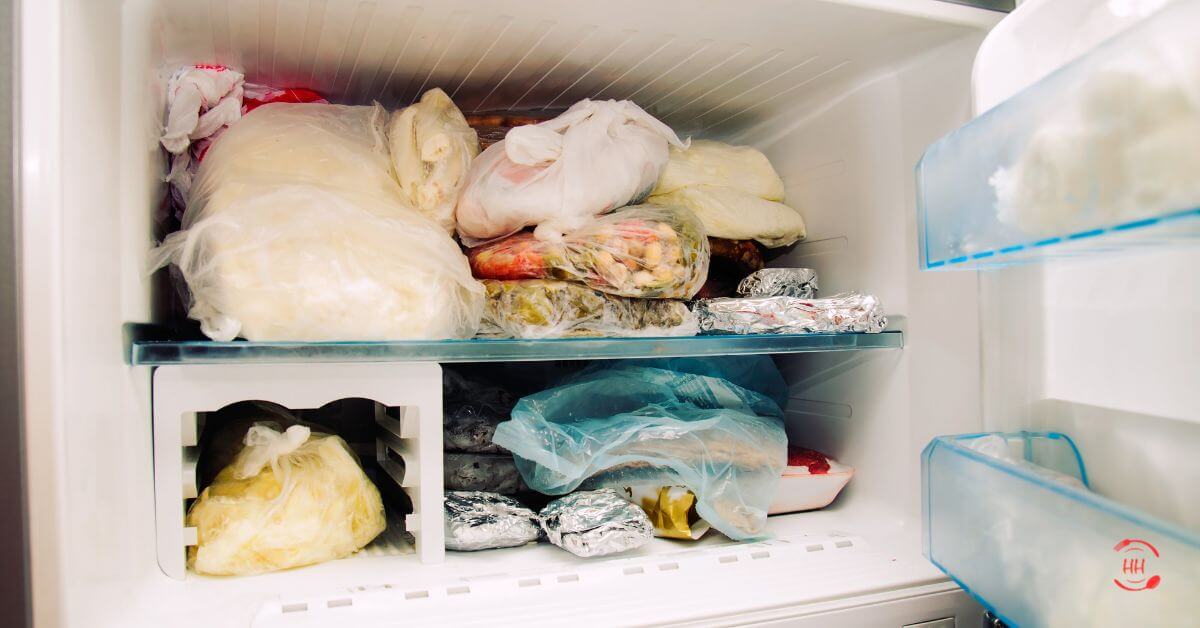
If you’ve ever pulled a chicken breast from the freezer only to find it covered in ice crystals and looking like it time-traveled from the Ice Age, you’ve experienced the dreaded freezer burn. Not only is it unsightly, but it also sucks the flavor and texture right out of your food. The good news? Freezer burn is completely preventable. This post dives deep into why it happens, how to stop it, and how to keep your frozen food fresh and flavorful for the long haul.
This post may contain affiliate links. If you click on one of our affiliate links and make a purchase, We may receive a commission at no additional cost to you. We only share products and recommendations we believe may be helpful to our readers.
What Is Freezer Burn, Really?
Freezer burn happens when frozen food is exposed to air. Moisture in the food evaporates, and oxygen takes its place, causing dehydration and oxidation. The result? Discolored, shriveled, and off-flavored food. It’s still safe to eat, but far from appetizing.
- Use High-Quality Airtight Containers
Skip the cheap, flimsy plastic. Invest in freezer-safe, airtight containers that lock out air. Look for containers with silicone seals or vacuum-sealing lids to keep moisture in and air out. - Opt for Freezer Bags—But Squeeze Out the Air
Heavy-duty freezer bags work wonders when used correctly. Before sealing, press out as much air as possible. For even better results, use a straw to suck out air or get a vacuum sealer for professional-level protection. - Freeze Food in Smaller Portions
Large chunks take longer to freeze and allow more time for air to creep in. Divide leftovers, raw meats, or soups into meal-sized portions to speed up the freezing process and reduce air exposure. - Use Plastic Wrap and Foil Together
Double-wrap meats or baked goods: first with plastic wrap, then a layer of aluminum foil. This combo forms a super-seal that shields food from air and moisture. - Label and Date Everything
Not only does this help you stay organized, but it also ensures you eat food within its prime freezer life. Most frozen foods are best used within 2–6 months. - Let Hot Foods Cool First
Putting hot food directly into the freezer causes condensation, which creates ice crystals—and you guessed it, freezer burn. Let food cool to room temperature before freezing. - Use a Vacuum Sealer for Long-Term Storage
If you frequently freeze food or buy in bulk, a vacuum sealer is a game changer. It removes all the air and seals food tightly, preventing freezer burn for months (or years!). - Set Your Freezer to the Right Temperature
Keep your freezer at 0°F (-18°C) or lower. This prevents temperature fluctuations, which contribute to moisture loss and freezer burn. - Keep Your Freezer Organized
Overstuffed freezers restrict airflow, while half-empty ones promote freezer burn from fluctuating temps. Use bins or baskets to organize items and keep airflow steady. - Freeze Liquids Flat
Soups, stews, sauces, and even smoothies should be frozen flat in freezer bags. Not only do they thaw quickly, but they also prevent trapped air from circulating inside the bag.
Bonus Tip: Don’t Refreeze Thawed Food
Refreezing partially thawed food creates texture changes and increases the risk of freezer burn. Only freeze food once, or if necessary, cook it before refreezing.
Conclusion
Preventing freezer burn is more about being intentional than complicated. With the right tools and a few easy habits, you’ll stop wasting money and start enjoying fresher, tastier frozen meals every time. So go ahead—batch cook, meal prep, or buy in bulk—with total freezer confidence!