
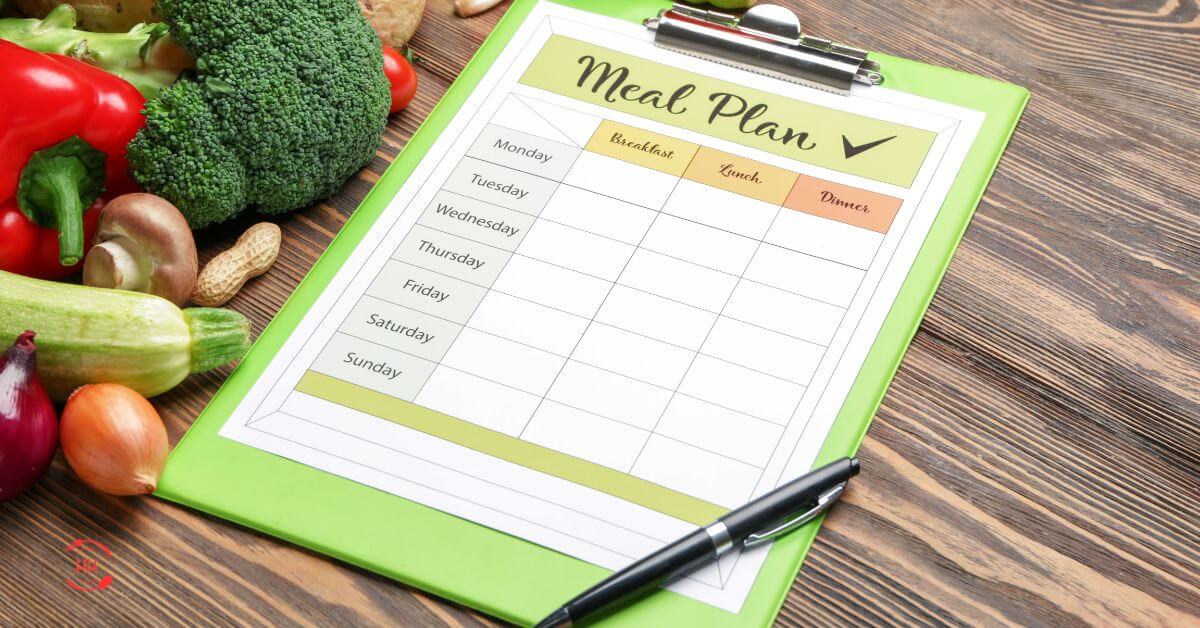
January Is the Perfect Month to Start Fresh
A brand-new year brings a fresh wave of motivation — to get organized, save money, cook more at home, and create simpler routines that make everyday life feel smoother. And there’s no better place to begin than your kitchen. January is the perfect month to start meal planning because it naturally pairs with warm cooking, budget reset goals, and the calm structure that winter encourages.
But meal planning doesn’t need to be complicated. You don’t need color-coded calendars or hours of prep. You just need a simple system that works for your family, your schedule, and your energy level — especially during a season when evenings come early and comfort food is at the top of everyone’s wishlist.
This post will walk you through an easy, realistic approach to January meal planning that will help you stay organized, reduce stress, and enjoy winter cooking more than ever.
This post may contain affiliate links. If you click on one of our affiliate links and make a purchase, We may receive a commission at no additional cost to you. We only share products and recommendations we believe may be helpful to our readers.
Step 1: Start with a Kitchen Inventory (Your Secret Ingredient to Saving Money)
Before you begin planning what to cook, take stock of what you already have. January is the ideal month for a pantry, fridge, and freezer reset, and your Our Hungry Home inventory printables make the process simple.
Transform Your Kitchen Into a Calm, Clutter-Free Space
If your kitchen feels chaotic, crowded, or impossible to keep organized, the Kitchen Organization Collection is here to help. This set of six printable templates is designed to bring clarity, structure, and peace to the busiest room in your home. With simple layouts and easy-to-use formats, you can finally keep track of what you have, what you need, and what’s coming next.
From weekly meal planning to pantry inventory tracking, these printables work together to streamline your routines and eliminate the daily guesswork. Whether you’re feeding a family or cooking for one, this collection helps you stay on top of groceries, storage, and kitchen essentials—without stress.
Doing a quick inventory helps you:
- Avoid buying things you already have
- Use up food before it expires
- Build meals around what’s on hand
- Reduce waste
- Save money on groceries (huge in January!)
Write down anything you need to use soon — open pasta, leftover veggies, half-used sauces — and turn those items into the foundation of your meal plan.
Step 2: Choose Your Meal Planning Style
There’s no one “right” way to meal plan. Choose the style that feels natural for your household.
1. Traditional Weekly Meal Plan
You plan 5–7 dinners for the week and grocery shop once.
✔ Best for busy families and routine lovers.
2. Flexible Meal Planning
You choose 6–8 meals for the week, then pick what you feel like cooking each day.
✔ Best for cooks who like variety and spontaneity.
3. Theme Nights
Assign repeating themes to simplify decisions.
Example:
- Monday — Soup
- Tuesday — Tacos
- Wednesday — Pasta
- Thursday — Chicken Dinner
- Friday — Pizza Night
- Saturday — Slow Cooker Meal
- Sunday — Leftovers or Roast
✔ Best for reducing decision fatigue.
4. Batch Cooking + Mix-and-Match Meals
You prep a few basics (shredded chicken, roasted veggies, rice, soup) and build meals throughout the week.
✔ Best for those who like quick assembly-style dinners.
Choose one method — or mix and match! — based on what makes winter cooking feel manageable for you.
Step 3: Plan Around Your Schedule, Not Your Aspirations
One of the biggest mistakes people make in January is creating an unrealistic meal plan. Instead of forcing yourself into complicated routines, plan based on the kind of week you actually have.
Consider:
- Work schedules
- After-school activities
- Days you need fast meals
- Days you can use the slow cooker
- Nights when leftovers work best
- Budget-friendly meals during tight weeks
A meal plan is meant to make life easier — not busier. Be honest about what you can handle in a winter week and choose recipes that fit your real life.
Step 4: Build Your Winter-Friendly Meal Rotation
Winter is all about comforting meals that make evenings feel warm and relaxed. Create a small rotation of go-to recipes that are easy to rely on throughout January.
Winter Meal Ideas to Add to Your Rotation:
- Soups and stews
- Sheet-pan dinners
- Casseroles
- Slow cooker meals
- Pastas
- Breakfast-for-dinner
- Baked chicken
- Chili
- One-pot meals
When you have a handful of tried-and-true recipes, meal planning becomes effortless.
Step 5: Use the “Double Up” Method to Save Time
January is the month to embrace leftovers — truly! Doubling recipes saves time, cuts down on grocery trips, and gives you ready-made dinners for busy nights.
Try doubling:
- Soup
- Chili
- Baked pasta
- Casseroles
- Shredded chicken
- Meat sauce
- Rice or quinoa
- Muffins or breakfast bakes
Freeze extra portions in labeled containers and you’ll thank yourself on cold evenings when you don’t feel like cooking.
Step 6: Keep a List of 10–15 Easy, No-Fuss Meals
Every home needs a “go-to meals” list — recipes you can pull together quickly using pantry staples or minimal ingredients. This is especially helpful in January when motivation can dip.
Easy Winter Go-To Meals:
- Grilled cheese + tomato soup
- Chicken quesadillas
- Baked potatoes with toppings
- Buttered noodles + steamed veggies
- Scrambled eggs + toast
- Tacos or taco bowls
- Rotisserie chicken night
- Sausage + roasted potatoes
Post this list on your fridge or keep it in your recipe binder to make decision-making easier.
Step 7: Create Your Grocery List — and Stick to It
Once your meal plan is set, make a grocery list organized by sections:
- Produce
- Meats
- Pantry
- Dairy
- Frozen
- Household
Your Our Hungry Home meal planning grocery list printables are perfect for this step.
Sticking to your list helps reduce impulse buys, especially during the post-holiday budgeting season.
Step 8: Prep What You Can on Sundays (or Whatever Day Works for You)
You don’t need a full meal-prep marathon — just a few simple tasks that make the week easier.
Easy January Prep Ideas:
- Chop onions or veggies
- Brown ground beef
- Shred chicken
- Cook a batch of rice
- Prep a pot of soup
- Wash and chop produce
- Assemble casseroles for later in the week
An hour or two on Sunday can save you countless hours during busy weeknights.
Step 9: Allow Flexibility
Storms happen, schedules change, energy levels dip — and that’s okay. A good meal plan leaves room for last-minute swaps or unexpected shifts.
Build in one “wild card night” each week, where you can choose:
- Leftovers
- Breakfast for dinner
- Something from the freezer stash
- A super-simple meal
Flexibility is what keeps a meal plan sustainable.
Step 10: Repeat What Works (And Release What Doesn’t)
At the end of the month, look back at your meal plans and take note of:
- Your family’s favorite meals
- Recipes you want to bring into February
- What didn’t work or felt like too much
- Where you saved time or money
- Which habits made the most difference
This reflection helps build a meal-planning routine you’ll actually stick with all year long.
Why January Meal Planning Makes Life Easier
Starting a meal planning routine in January sets you up for success in so many ways:
- Lower grocery bills
- Less stress at dinnertime
- Fewer “what’s for dinner?” moments
- More intentional cooking
- Less food waste
- Better use of pantry staples
- Simpler winter evenings
- More time to relax
It’s one of the easiest ways to start the new year feeling organized, refreshed, and ready to enjoy cozy cooking all winter long.
Ready to Start Meal Planning This Month?
Use this guide, grab your favorite Our Hungry Home printables, and start small. A few simple habits can completely transform how your kitchen feels this winter.
Whether you’re building your first-ever weekly menu or getting back into a routine after a busy holiday season, January is the perfect time to reset and start fresh.
Transform Your Kitchen Into a Calm, Clutter-Free Space
If your kitchen feels chaotic, crowded, or impossible to keep organized, the Kitchen Organization Collection is here to help. This set of six printable templates is designed to bring clarity, structure, and peace to the busiest room in your home. With simple layouts and easy-to-use formats, you can finally keep track of what you have, what you need, and what’s coming next.
From weekly meal planning to pantry inventory tracking, these printables work together to streamline your routines and eliminate the daily guesswork. Whether you’re feeding a family or cooking for one, this collection helps you stay on top of groceries, storage, and kitchen essentials—without stress.

Make weeknight dinners easier, happier, and a whole lot less stressful with our 7-Day Family Meal Plan — a simple guide filled with meals your family will love. This plan brings together quick recipes, balanced ingredients, and make-ahead tips so you can skip the last-minute scramble and enjoy more calm, connected family time around the table. No complicated steps, no fancy ingredients — just real food that tastes great and fits your busy schedule.
Whether you’re juggling school, sports, or work, this meal plan helps you stay organized and make dinnertime calmer, easier, and more enjoyable.