If you’ve ever found yourself asking, “What’s the difference between meal planning and meal prepping?”—you’re not alone. These two powerhouse strategies are often used interchangeably, but they’re actually very different tools that can each save you time, money, and stress in the kitchen.
Whether you’re managing meals for a busy family, working long days and trying to eat healthy, or simply looking for time-saving meals during the week, understanding how meal planning and meal prepping work—individually and together—can totally change your approach to food.
In this post, we’ll break down what each one is, how they differ, the pros and cons of each, and how to use both together for an efficient, budget-friendly, and healthy weekly routine.
This post may contain affiliate links. If you click on one of our affiliate links and make a purchase, We may receive a commission at no additional cost to you. We only share products and recommendations we believe may be helpful to our readers.
What Is Meal Planning?
Meal planning is the process of deciding what you and your family will eat over a set period of time—most commonly for the week ahead. It’s all about creating a structured plan for breakfast, lunch, dinner, and even snacks.
When you meal plan, you:
- Choose meals and recipes ahead of time
- Write out a grocery list based on your menu
- Shop with intention and avoid impulse buys
- Coordinate meals with your schedule and lifestyle
Meal planning is ideal for anyone trying to eat better, avoid last-minute takeout, or feed a family without overspending at the grocery store. It’s also a lifesaver when managing food allergies, picky eaters, or dietary goals.
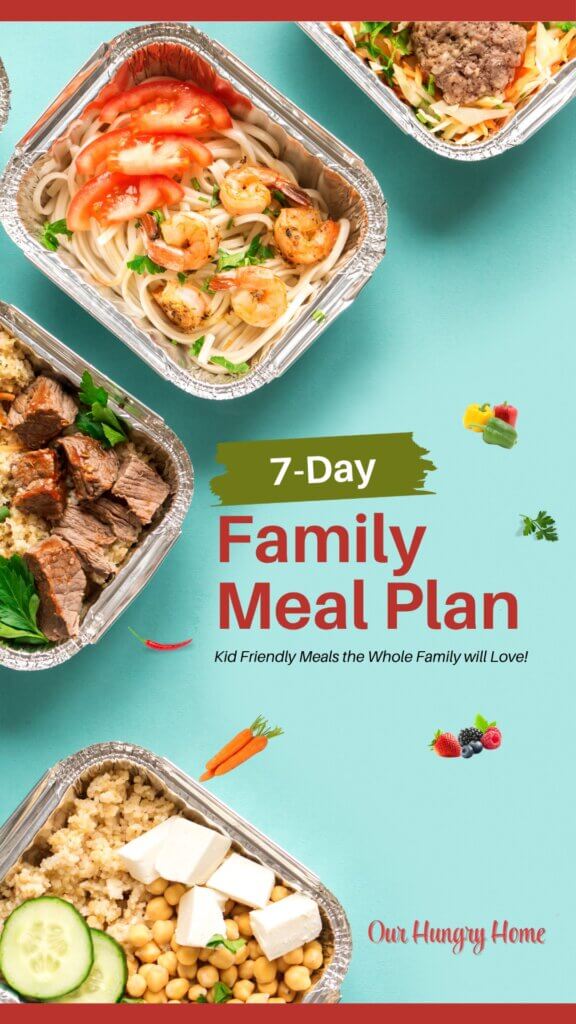
Here is a “7-Day Family Meal Plan” from Our Hungry Home to get you started. It’s FREE. Just download now and start meal planning!
What Is Meal Prepping?
Meal prepping is all about execution. It involves taking the recipes or meals from your plan and prepping them ahead of time. You’re not just deciding what to eat—you’re doing the work to make it ready-to-go.
There are several types of meal prepping:
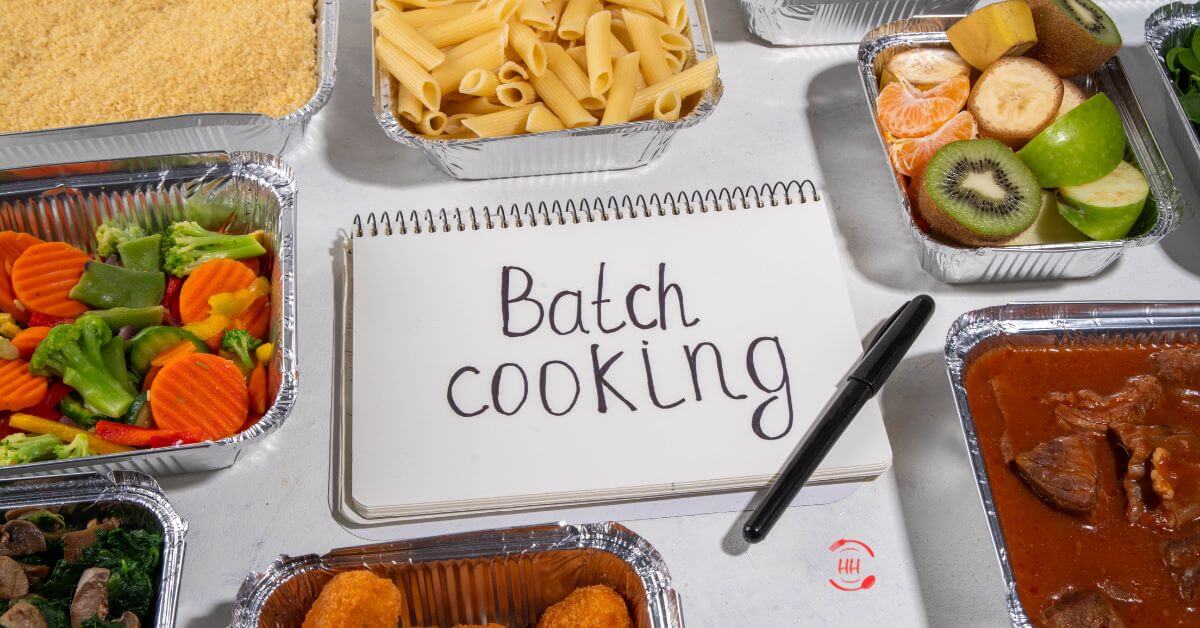
- Batch cooking: making large quantities of a dish (like chili or shredded chicken) to portion throughout the week
- Ingredient prepping: chopping vegetables, cooking rice, marinating proteins, etc.
- Full meal assembly: preparing entire meals and storing them in containers, ready to heat and eat
Meal prep can range from prepping a few smoothie bags to assembling all your weekday lunches in one go. It’s highly customizable and one of the best strategies for consistent healthy eating.
Meal Planning vs. Meal Prepping: What’s the Difference?
Though they go hand-in-hand, here’s a simple breakdown of meal planning vs. meal prepping:
| Meal Planning | Meal Prepping | |
| Focus | Deciding what to eat | Preparing food in advance |
| Involves | Choosing recipes, making a schedule | Cooking, chopping, storing meals |
| Timing | Usually once per week | Usually once or twice per week |
| Tools | Meal plan templates, calendar | Containers, knives, slow cookers |
| Outcome | A shopping list and plan | Ready-to-eat or ready-to-cook meals |
In short: meal planning is the blueprint, and meal prepping is the building.
Pros and Cons of Meal Planning
✅ Pros
- Saves money by reducing food waste and impulse grocery purchases
- Helps stay on track with nutritional goals
- Makes family meals easier and more intentional
- Reduces daily stress around “What’s for dinner?”
❌ Cons
- Can feel overwhelming at first
- Requires a little discipline to stick to the plan
- Needs some upfront time each week
Meal planning is especially useful for busy families, working parents, and anyone who wants more control over food costs and nutrition.
Pros and Cons of Meal Prepping
✅ Pros
- Saves time during the week
- Promotes healthier choices (you eat what you’ve prepped)
- Cuts down on daily dishes and cleanup
- Ideal for weight loss, fitness routines, and busy schedules
❌ Cons
- Requires a chunk of time on prep day
- Some meals don’t hold up well after several days
- Needs adequate storage space in fridge or freezer
Meal prepping works best when you prep meals that reheat well or prep ingredients for multiple uses—like roasted vegetables, grilled chicken, or grain bowls.
When to Use One vs. the Other
You don’t have to do both. Depending on your lifestyle, you may choose one over the other.
- Use Meal Planning Alone if you love cooking fresh each day, have a flexible schedule, or are trying to organize your grocery shopping.
- Use Meal Prepping Alone if you prefer to “set it and forget it,” don’t mind repeat meals, or want to avoid daily cooking.
Best Case: Use both meal planning and meal prepping together for maximum impact. That’s where you save time and reduce waste and eat better—all week long.
How to Start Meal Planning and Prepping Together
Here’s a simple weekly workflow that combines the best of both worlds:
- Pick your meals: Choose 3–5 dinners, 2 lunch options, and 2 breakfasts.
- Make your grocery list: Stick to your plan—this reduces food waste and cost.
- Shop once per week: A single trip is a huge time-saver.
- Prep on Sunday (or your least busy day):
- Chop veggies for snacks or stir-fries
- Cook protein in bulk (like shredded chicken or ground beef)
- Pre-portion smoothie bags or overnight oats
- Assemble grab-and-go lunches
Start small. Even prepping just breakfast and snacks can make a huge difference during the week.
Helpful Tools and Resources
To make meal planning and prepping smoother, try:
- Apps: Plan to Eat, Mealime, Paprika
- Templates: Use printable weekly meal planners or dry-erase fridge charts
- Containers: Invest in stackable, airtight containers that are microwave and dishwasher safe
- Kitchen gear: Slow cookers, rice cookers, and sheet pans for bulk baking
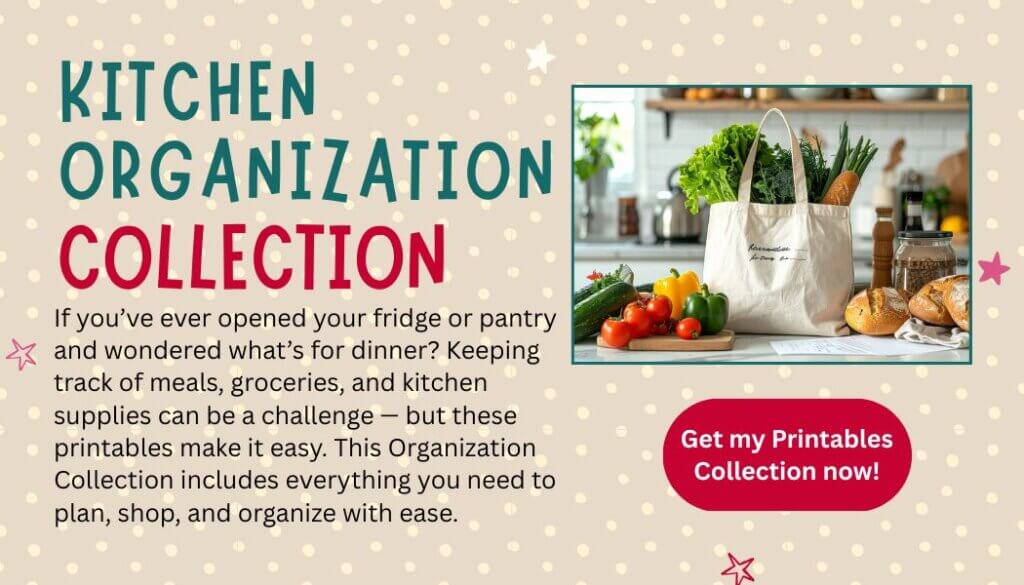
Stay organized from pantry to plate with Our Hungry Home’s printable Kitchen Organization Collection! Meal planners, grocery lists, and inventory sheets help you save time, reduce waste, and make home cooking easier every day.
This printable collection includes everything you need to plan, shop, and organize with ease:
- Meal Planning + Grocery List Template: plan weekly meals and simplify shopping.
- Freezer Planning + Grocery List Template: prep freezer meals and stay ahead of busy nights.
- Grocery Staples Template: keep your must-have ingredients stocked.
- Pantry Inventory Template: track what’s in your pantry and avoid duplicate buys.
- Freezer Inventory Template: reduce waste and make meal planning effortless.
- Fridge Inventory Template: know exactly what you have and what needs restocking.
Each printable is designed to help you save time, reduce food waste, and make home cooking more enjoyable — because a well-organized kitchen truly is the heart of a happy home.
Final Thoughts: Use Meal Planning & Prepping to Win Your Week
Meal planning and meal prepping are powerful time- and money-saving habits—but they’re not the same. Where planning gives you the road map, prepping fuels your journey. Used together, they take the stress out of weeknight cooking, help you stay on track with your health goals, and bring more intention to your kitchen.
Here are some free meal planning apps:
This app offers a variety of meal plans that are easy to follow and affordable. It also includes grocery lists for each meal.
This app is based on the Eat This Much diet, which is a healthy and sustainable way to eat. It offers meal plans for different dietary needs, including vegetarian, vegan, and gluten-free.
This app is a popular choice for meal planning. It offers a variety of recipes for breakfast, lunch, dinner, and snacks. It also allows you to create your own meal plans and save them for later.
This app is a great option for meal planning if you want to use up leftovers. It has a large database of recipes that can be made with ingredients from your pantry.
This app is a good option for meal planning on a budget. It offers affordable recipes for breakfast, lunch, dinner, and snacks.
Here are five basic steps you can follow to create a meal plan:
- Choose recipes
Start by selecting recipes for breakfast, lunch, and dinner. You can browse online for recipes based on your dietary preferences or what you already know you enjoy.
- Shop for ingredients
Once you have chosen your recipes, create a shopping list for all the ingredients you will need. This will help you stay organized and avoid any last-minute shopping trips.
- Plan your meals
Schedule your meals throughout the week, taking into account your schedule and the amount of time you have to cook.
- Prepare your meals
If you want to save time, you can prepare some of your meals in advance. This will free up time during the week so you can focus on other things.
- Enjoy your meals
Sit down and enjoy your meals!
Stay organized from pantry to plate with Our Hungry Home’s printable Kitchen Organization Collection! Meal planners, grocery lists, and inventory sheets help you save time, reduce waste, and make home cooking easier every day.
This printable collection includes everything you need to plan, shop, and organize with ease:
- Meal Planning + Grocery List Template: plan weekly meals and simplify shopping.
- Freezer Planning + Grocery List Template: prep freezer meals and stay ahead of busy nights.
- Grocery Staples Template: keep your must-have ingredients stocked.
- Pantry Inventory Template: track what’s in your pantry and avoid duplicate buys.
- Freezer Inventory Template: reduce waste and make meal planning effortless.
- Fridge Inventory Template: know exactly what you have and what needs restocking.
Each printable is designed to help you save time, reduce food waste, and make home cooking more enjoyable — because a well-organized kitchen truly is the heart of a happy home.