
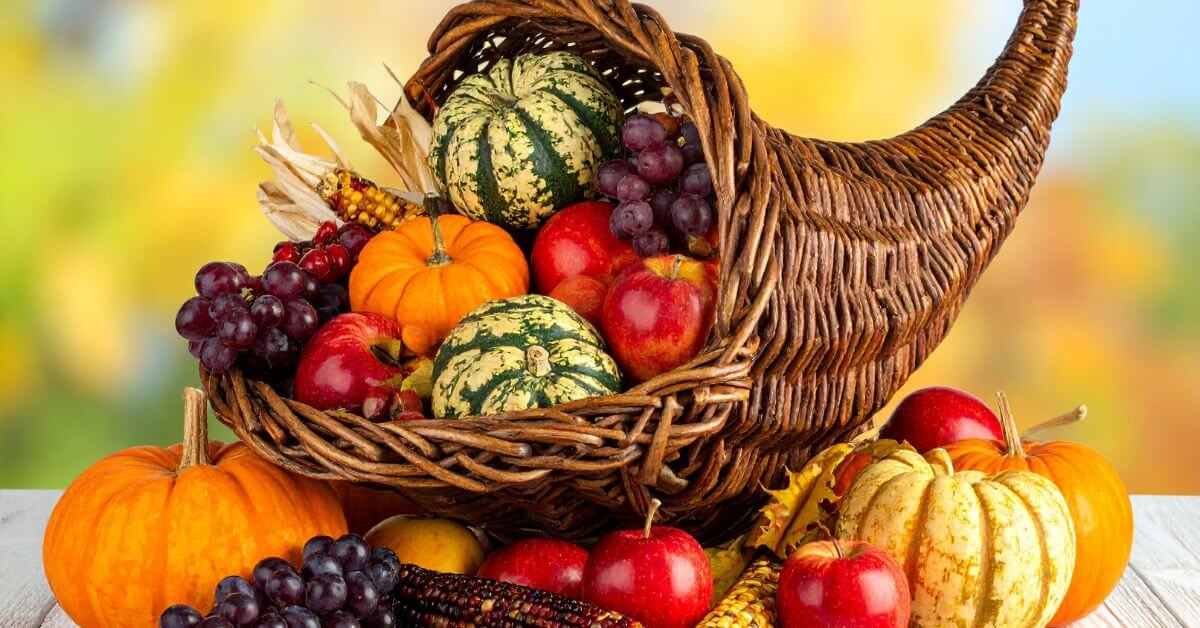
There’s something about fall that makes getting back into the kitchen feel good again.
After a summer filled with grilling, fresh salads, and meals designed to keep the kitchen cool, cooler weather brings a whole new group of seasonal ingredients to the table. Crisp apples, juicy pears, hearty squash, sweet potatoes, pumpkins, Brussels sprouts, and dark leafy greens are just a few of the fruits and vegetables that make fall cooking so delicious.
And one of the best parts? Shopping for produce that’s in season can also be a smart way to save money, enjoy better flavor, and add more variety to your family meals.
If you’ve ever wondered what fruits and vegetables are in season during fall, this guide is for you. Save it for your next grocery trip, farmers market visit, or weekly meal-planning session.
This post may contain affiliate links. If you click on one of our affiliate links and make a purchase, We may receive a commission at no additional cost to you. We only share products and recommendations we believe may be helpful to our readers.
Why Buy Fruits and Vegetables in Season?
We can find many fruits and vegetables in grocery stores year-round, but that doesn’t necessarily mean they’re at their best year-round.
Produce harvested during its natural growing season is often fresher, more flavorful, and more plentiful. When there’s an abundance of a particular fruit or vegetable, you may also find better prices.
That makes seasonal produce especially useful when you’re trying to plan family meals on a budget.
Fall is a wonderful season for this because many fall fruits and vegetables are incredibly versatile. Roast them for dinner, add them to soups and casseroles, bake them into desserts, freeze them for later, or simply enjoy them fresh.
Keep in mind that exact growing seasons vary depending on where you live, so availability may be a little different from one region to another.
Fall Fruits to Look For
Apples
Nothing says fall quite like apples.
From sweet varieties such as Fuji and Honeycrisp to tart Granny Smith apples, there’s an apple for just about everything.
Use them for:
- Apple pies and crisps
- Homemade applesauce
- Baked apples
- Salads
- Oatmeal
- Snacks
- Apple butter
Kitchen Tip: Different apple varieties behave differently when cooked. Firmer apples are usually better for baking because they hold their shape.
Pears
Pears sometimes get overshadowed by apples during fall, but they deserve a place in the seasonal fruit bowl.
Enjoy pears fresh, sliced into salads, baked with warm spices, added to charcuterie boards, or cooked into preserves.
Money-Saving Tip: Buy pears while they’re still slightly firm and allow them to ripen at home so you have more time to use them.
Cranberries
Fresh cranberries begin appearing as the holiday season approaches, but don’t save them only for Thanksgiving.
Their tart flavor works beautifully in:
- Muffins and quick breads
- Sauces and relishes
- Desserts
- Baked oatmeal
- Holiday drinks
- Savory dishes
Fresh cranberries also freeze extremely well, so stock up when they go on sale.
Grapes
Early fall can still be a wonderful time for fresh grapes.
Of course they’re an easy snack, but grapes can also be added to chicken salad, fruit boards, green salads, and lunchboxes.
Try freezing them for an easy bite-sized treat.
Figs
Fresh figs have a relatively short season, making them one of those fruits worth enjoying when you find them.
Pair figs with cheese, add them to salads, serve them on a fall charcuterie board, or drizzle them with a little honey for a simple dessert.
Pomegranates
Pomegranates begin showing up as the weather cools and add beautiful color and sweet-tart flavor to fall dishes.
Sprinkle the seeds over salads, yogurt, oatmeal, roasted vegetables, or desserts.
Persimmons
If you’ve never cooked with persimmons, fall is the perfect time to try them.
Depending on the variety, they can be eaten fresh or used in baked goods, salads, breads, and desserts.
Fall Vegetables to Add to Your Grocery List
Pumpkin
Pumpkin isn’t just for carving!
Fresh pumpkin can be roasted, pureed, added to soups, or used in baked goods. And, of course, canned pumpkin is one of the easiest pantry staples for fall baking.
Use pumpkin in breads, muffins, pancakes, soups, pasta sauces, and desserts.
Butternut Squash
Butternut squash has a naturally sweet, slightly nutty flavor that works beautifully in fall meals.
Roast it as a side dish or use it in soups, pasta, casseroles, grain bowls, and salads.
Acorn Squash
Acorn squash makes an especially easy fall side dish because you can simply cut it in half, remove the seeds, season it, and roast it.
You can also stuff the halves with rice, sausage, vegetables, or other leftovers for an easy dinner.
Spaghetti Squash
Once cooked, the flesh of spaghetti squash separates into long strands.
Serve it with your favorite pasta sauce or use it as the base for casseroles and easy weeknight dinners.
Sweet Potatoes
Sweet potatoes are one of my favorite fall staples because they can go in almost any direction.
Bake them, mash them, roast them, turn them into fries, add them to soups, or use them in casseroles.
They work equally well with savory seasonings or classic fall flavors such as cinnamon and maple.
Brussels Sprouts
Roasting completely transforms Brussels sprouts.
Toss them with a little oil and seasoning and roast until the outside becomes browned and crisp. Add bacon, Parmesan, cranberries, nuts, balsamic glaze, or a touch of maple syrup to change the flavor.
Broccoli
Cooler weather is a great time to look for broccoli.
Steam it for a quick side, roast it, add it to casseroles, toss it into stir-fries, or serve it with dips on snack boards.
Cauliflower
Cauliflower is another wonderfully versatile cool-weather vegetable.
Roast it whole or in florets, mash it, add it to soup, or use it in casseroles and vegetable trays.
Cabbage
Don’t overlook cabbage when you’re trying to stretch the grocery budget.
It’s inexpensive, filling, and can be used in soups, slaws, stir-fries, casseroles, and skillet meals.
A whole head also tends to keep longer than many delicate vegetables.
Carrots
Carrots are a true kitchen workhorse.
Use them in soups and stews, roast them alongside meat and potatoes, shred them for salads, or keep them on hand for snacks.
Beets
Fall is a great time to give beets another look.
Roasting brings out their natural sweetness. Serve roasted beets as a side dish or pair them with greens, goat cheese, nuts, or citrus in a salad.
Parsnips
Parsnips look similar to pale carrots but have their own earthy, slightly sweet flavor.
They’re especially good roasted with carrots and potatoes or added to hearty fall soups and stews.
Turnips
Turnips are another budget-friendly root vegetable that can be roasted, mashed, added to soups, or cooked alongside other root vegetables.
Don’t throw away the greens, either. Turnip greens can be cooked just like other leafy greens.
Kale
Cool weather and hearty greens go hand in hand.
Kale can be added to soups, pasta dishes, casseroles, salads, smoothies, and skillet meals.
Swiss Chard
Colorful Swiss chard is another cool-season green worth adding to your fall grocery list. Sauté it as a simple side dish or add chopped chard to soups, egg dishes, and pastas.
Easy Ways to Use Fall Produce
You don’t need complicated recipes to take advantage of seasonal fruits and vegetables.
One of the easiest methods is to make a big pan of roasted fall vegetables. Combine vegetables such as sweet potatoes, carrots, Brussels sprouts, butternut squash, onions, and parsnips. Add oil and your favorite seasonings and roast until tender.
Fall produce is also perfect for:
- Sheet-pan dinners
- Slow cooker meals
- Soups and stews
- Casseroles
- Grain bowls
- Salads
- Quick breads and muffins
- Pies, crisps, and cobblers
Choose two or three seasonal ingredients each week rather than trying to buy everything at once.
How to Save Money on Fall Produce
Seasonal shopping becomes even more useful when you combine it with a few smart grocery habits.
Watch the weekly sales. Grocery stores frequently feature seasonal produce in their weekly ads.
Shop farmers markets. Late-season markets can be wonderful places to find locally grown apples, squash, greens, and root vegetables.
Buy versatile ingredients. A bag of apples can become snacks, oatmeal toppings, applesauce, and dessert. A large butternut squash can provide enough for more than one meal.
Freeze what you won’t use. Cranberries, chopped peppers, cooked pumpkin, applesauce, and many other fall foods can be frozen for later.
Plan meals around what’s on sale. Instead of choosing every meal first and then buying the ingredients, check the weekly produce specials and let a few of those bargains inspire your meal plan.
Make the Most of Fall’s Harvest
Fall fruits and vegetables make it easy to bring seasonal flavor into everyday family meals without making dinner complicated.
Start with a few familiar favorites like apples, sweet potatoes, carrots, broccoli, and squash. Then add something different—maybe fresh figs, persimmons, parsnips, or Swiss chard.
And remember: seasonal eating doesn’t have to mean changing everything you cook. Sometimes it’s as simple as roasting a fall vegetable alongside dinner, adding apples to your morning oatmeal, or picking up a bag of fresh cranberries while they’re on sale.
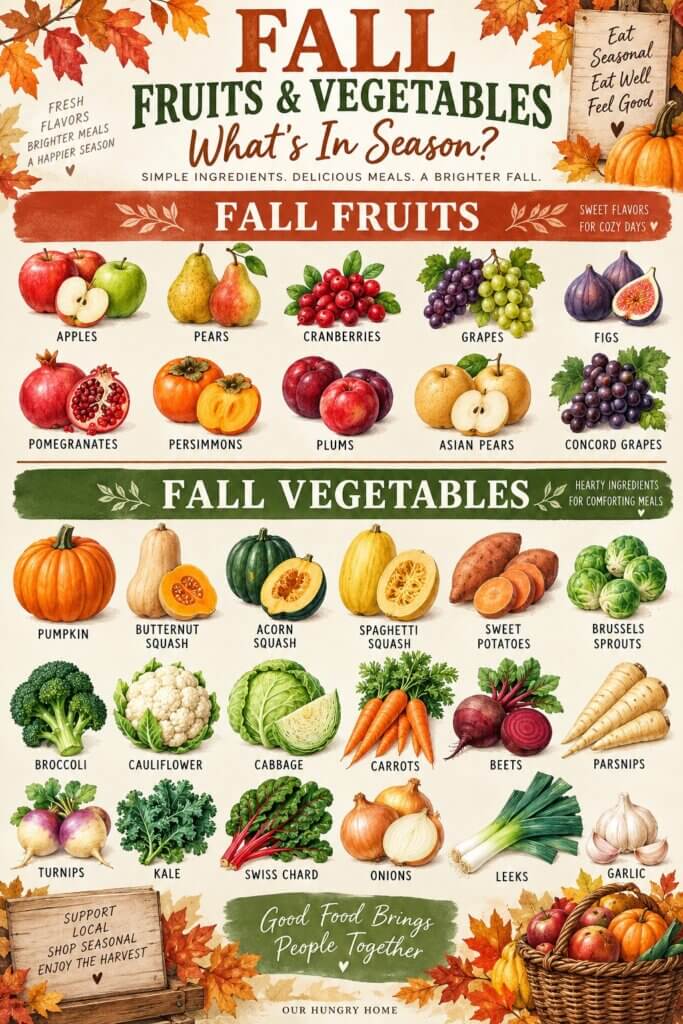
Keep our Fall Fruits & Vegetables Seasonal Produce Guide handy when you’re planning meals or heading to the grocery store. It’s an easy way to remember what’s in season and get a little inspiration for what to cook next.
Looking for more fall inspiration? Be sure to explore more seasonal guides and recipes from Our Hungry Home, including Everything Apple and our Ultimate Guide to Fall Baking Spices.
Delicious meals really can be made easier—one season at a time.